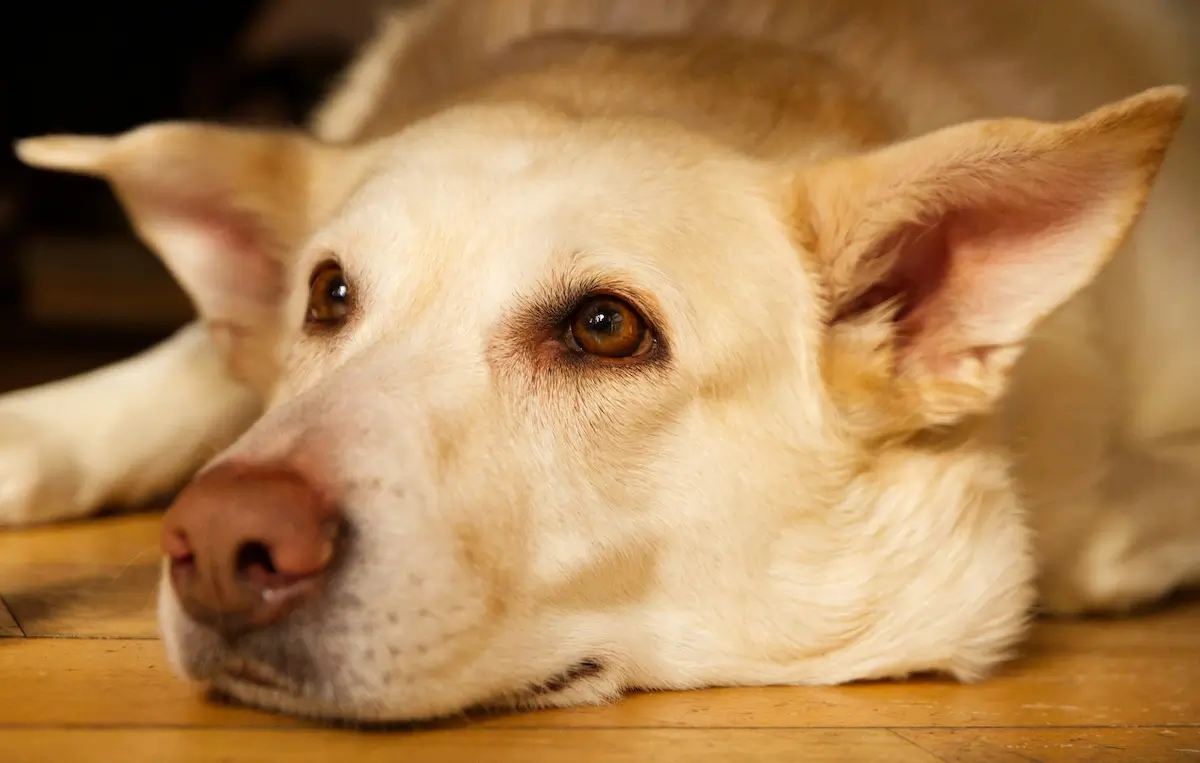
Your dog is vomiting, has loose stools, or is clearly uncomfortable. It is 10pm and your vet is closed. What do you do?
Most mild stomach upsets in dogs resolve on their own with simple supportive care at home. This guide covers the home remedies that actually work, the ones that do not, when to use each, and the clear signs that tell you home treatment is not enough.
First: Know When Home Treatment Is Not Appropriate
Before reaching for home remedies, rule out situations that require immediate veterinary care. Home treatment is appropriate for mild, single-episode digestive upset in otherwise healthy adult dogs. It is not appropriate for the following situations.
Call your vet or go to an emergency clinic immediately if:
- Your dog ate something toxic — grapes, chocolate, xylitol, onions, or any unknown substance
- Vomiting or diarrhea contains blood (red or dark black like coffee grounds)
- Your dog is bloated, distended, or trying to vomit without producing anything (potential bloat — a life-threatening emergency)
- Your dog is lethargic, weak, or unresponsive
- Symptoms started immediately after eating a known toxin
- A puppy under 6 months is vomiting repeatedly
- A senior dog or dog with known health conditions has digestive symptoms
- Symptoms have lasted more than 24 hours without improvement
- Your dog is showing signs of pain — hunching, whimpering, reluctance to move
When in doubt, call your vet. The cost of a phone call is always less than the cost of delayed treatment.
The Bland Diet — The Most Effective Home Remedy
The bland diet is the gold standard home treatment for mild digestive upset in dogs. It gives the digestive system a rest while providing easily digestible nutrition that does not further stress an irritated gut.
How to make the bland diet:
Boil plain chicken breast or plain white rice separately. No salt, no seasoning, no butter or oil — ever. Use a ratio of approximately one part chicken to two parts rice.
- Chicken: Boneless skinless breast, boiled until fully cooked, shredded or cut into small pieces. Remove all fat and skin before cooking.
- Rice: Plain white rice cooked in water only — not brown rice which has more fiber and is harder to digest when the gut is irritated.
- Alternative protein: Plain boiled turkey (no skin or bones), plain white fish like cod or tilapia, or plain scrambled egg with no butter are all effective alternatives.
- Alternative carbohydrate: Plain cooked sweet potato (no butter or seasoning), plain cooked oatmeal, or plain mashed pumpkin can substitute for rice.
How to feed it:
Feed small amounts frequently rather than one large meal. For a 20kg dog, start with half a cup every three to four hours rather than a full meal twice a day. Small frequent meals reduce the load on an irritated digestive system and are less likely to trigger vomiting.
How long to feed it:
Continue the bland diet for 24-48 hours after symptoms resolve — not just until the first normal stool. Then gradually transition back to regular food over 3-5 days by mixing increasing proportions of regular food with the bland diet. Abrupt return to regular food after digestive upset frequently triggers a relapse.
Plain Pumpkin — The Most Versatile Digestive Remedy
Plain canned pumpkin is the single most useful pantry staple for dog digestive issues. It helps both diarrhea and constipation — the soluble fiber absorbs excess water in loose stools while adding bulk to relieve constipation. This dual action is unusual and makes pumpkin uniquely versatile.
How to use it:
Use only 100% pure canned pumpkin — not pumpkin pie filling which contains sugar, nutmeg, and spices. Look for a single ingredient on the label: pumpkin. Libby's 100% Pure Pumpkin is the standard recommendation — check the label every time as the company makes both plain pumpkin and pie filling in similar packaging.
Dosing by dog size:
- Small dogs (under 10kg): 1 teaspoon per meal
- Medium dogs (10-25kg): 2 teaspoons per meal
- Large dogs (over 25kg): 1 tablespoon per meal
Add directly to the bland diet or offer separately. Most dogs eat it readily due to the natural sweetness. Start pumpkin at the first sign of digestive upset — it works gently and can be continued alongside the bland diet throughout recovery.
Storing pumpkin: Open cans of pumpkin keep refrigerated for 5-7 days. Freeze portions in ice cube trays for convenient storage — a pumpkin ice cube as a daily digestive supplement is a popular approach for dogs with recurring sensitive stomachs.
Withholding Food — When and How Long
Withholding food for a short period gives the digestive system time to settle and reduces the stimulation that continues to trigger vomiting. This approach is appropriate for vomiting — not for diarrhea alone.
For vomiting dogs:
Withhold food for 6-12 hours in adult dogs. Always maintain access to water — dehydration is the primary medical risk with vomiting. After the fasting period, introduce the bland diet in very small amounts. If your dog vomits the first bland meal offering, wait another 2-4 hours before trying again.
Never fast:
- Puppies under 6 months — they develop hypoglycemia (dangerously low blood sugar) rapidly without food
- Senior dogs with known health conditions — check with your vet first
- Diabetic dogs — blood sugar management requires consistent feeding
- Small breeds prone to low blood sugar (Chihuahuas, Yorkshire Terriers, Toy breeds) — hypoglycemia risk is significant
- Dogs that have not eaten for more than 24 hours already
For diarrhea without vomiting:
Do not fast. Continue feeding — use the bland diet rather than regular food, but keep feeding to support gut recovery and prevent dehydration. The gut needs nutrition to heal.
Water and Hydration
Dehydration is the main medical risk with vomiting and diarrhea and the primary reason mild digestive upset can become serious. Keep fresh water available at all times and encourage drinking.
Signs of dehydration:
- Skin that does not spring back quickly when gently pinched (poor skin turgor — pinch the skin over the shoulder blades)
- Dry, sticky gums rather than moist and slippery
- Sunken or dull eyes
- Lethargy and weakness
- Reduced urine output
If your dog is showing any of these signs, veterinary care is needed — home rehydration is insufficient for significant dehydration.
For mildly dehydrated dogs or those who are not drinking:
Offer small amounts of water frequently — a few tablespoons every 15-20 minutes rather than a full bowl. This reduces the likelihood of water triggering further vomiting in nauseated dogs.
Ice cubes are useful for dogs that are vomiting repeatedly — the slow lick-and-melt rate provides hydration without overwhelming a nauseated stomach. Plain ice cubes or ice cubes made from diluted low-sodium chicken broth (no onion or garlic) are both appropriate.
Unflavored Pedialyte in small amounts can help replace electrolytes in dogs with significant diarrhea. Use the unflavored variety only — flavored versions contain artificial sweeteners. Dilute 50/50 with water. This is supportive, not a treatment — persistent diarrhea still needs veterinary attention.
Plain Yogurt and Probiotics
Diarrhea disrupts the gut microbiome — the community of beneficial bacteria that supports digestion and immune function. Restoring beneficial bacteria is an important part of recovery and helps prevent recurring episodes.
Plain Greek yogurt: A tablespoon of plain unsweetened Greek yogurt provides live cultures (Lactobacillus) that support gut bacteria restoration. Check the label for live active cultures — not all yogurts contain them. Confirm there is no xylitol in any sugar-free variety. Greek yogurt is better than regular yogurt due to lower lactose content from the straining process.
Dog-specific probiotic supplements: Commercial dog probiotics provide more concentrated and better-studied beneficial bacteria than yogurt:
- Fortiflora (Purina): The most commonly recommended by veterinarians — highly palatable and effective
- Proviable (Nutramax): Multi-strain probiotic with both capsule and paste forms
- Visbiome Vet: Higher concentration multi-strain probiotic for more significant dysbiosis
Dog-specific probiotics are more effective than yogurt for significant digestive disruption because they contain strains specifically studied in dogs at effective concentrations. Yogurt is a practical home option when you do not have supplements on hand.
When to use: After diarrhea, after antibiotic treatment (always restore gut bacteria after antibiotics), or as a regular preventive measure for dogs prone to digestive upset.
Bone Broth — For Appetite and Hydration
Plain unseasoned bone broth encourages eating and drinking in dogs with upset stomachs. The warm savory liquid is appealing to nauseated dogs who are refusing food and provides some nutrients and hydration during the recovery period.
Important: Use only plain bone broth without onion, garlic, or salt. Most commercial bone broths contain onion and garlic — check the label on every product every time. Low-sodium dog-specific bone broths are available from brands like The Honest Kitchen and Brutus Bone Broth. Making your own by simmering plain beef or chicken bones in water without any seasoning is the safest option.
Pour a small amount over bland food to encourage eating, or offer in a separate bowl as a liquid meal for dogs not ready for solid food. Warm it slightly — body temperature broth is more appealing than cold.
Slippery Elm — A Traditional Herbal Remedy
Slippery elm bark is a traditional remedy for digestive upset in both humans and dogs. It contains mucilage — a gel-like substance that coats and soothes the digestive tract lining, reducing irritation and inflammation.
How to use it: Slippery elm powder is available at health food stores and online. Mix approximately half a teaspoon per 10kg of body weight with water to form a thin paste and add to food. Give 20-30 minutes before meals for best effect.
What the evidence says: The evidence base is primarily traditional and clinical observation — there are no large randomized controlled trials in dogs. However it is widely used by veterinary herbalists, causes no harm at appropriate doses, and many dog owners and some veterinarians report positive results for both diarrhea and vomiting.
Avoid: Slippery elm capsules designed for humans often contain much higher doses — use powder specifically dosed for dogs at appropriate amounts.
Ginger — For Nausea
Small amounts of fresh or dried ginger have documented anti-nausea properties in both humans and dogs. Ginger has been used as a digestive remedy for thousands of years and is sometimes recommended by veterinarians for dogs prone to motion sickness.
How to use it: A tiny pinch of dried ginger powder mixed into food, or a thin slice of fresh ginger — appropriate for medium to large dogs. Start with a very small amount and observe for any reaction.
When it helps most: Motion sickness, nausea from medications, mild nausea before meals. Less useful for vomiting that has already started.
Caution: Large amounts of ginger cause digestive upset — tiny amounts only. Dogs on blood thinning medications should avoid ginger due to mild anticoagulant properties.
What Does Not Work — Common Myths
Pepto-Bismol: Contains bismuth subsalicylate — a salicylate related to aspirin. Can be used in dogs at specific doses but should only be used under veterinary guidance. Never give to cats and avoid in dogs with bleeding disorders or those taking NSAIDs. Not a recommended home remedy without vet input — the risks of incorrect dosing are real.
Milk: A persistent myth that milk soothes upset stomachs. Most adult dogs are lactose intolerant — milk causes diarrhea and makes digestive upset significantly worse. Never give dogs milk for an upset stomach.
Human antacids: Tums and similar antacids are sometimes used in dogs but dosing is complicated and they mask symptoms without treating the underlying cause. They may interfere with absorption of medications. Discuss with your vet before using.
Feeding more food: Some owners believe feeding more will settle a dog's stomach or give them energy to fight the illness. For vomiting dogs more food makes things worse. Rest the digestive system first — introduce the bland diet gradually after a fasting period.
Ibuprofen or aspirin for pain: Never give dogs human pain medications. Ibuprofen and aspirin cause severe gastrointestinal ulceration in dogs at human doses and are genuinely dangerous. If your dog appears to be in pain from abdominal discomfort call your vet.
The Recovery Timeline
Understanding what normal recovery looks like helps you identify when something is wrong.
Mild digestive upset typically resolves within:
- Vomiting: 12-24 hours with fasting and bland diet
- Diarrhea: 24-48 hours with bland diet and pumpkin
- Combined vomiting and diarrhea: 24-48 hours
- Return to normal stool consistency: 3-5 days after symptoms resolve
Return to normal food: Gradually over 3-5 days. Mix increasing amounts of regular food with the bland diet — start at 25% regular food on day 1, increase to 50% on day 2-3, then 75% on day 4, then 100% on day 5. For sensitive dogs extend this transition to 7-10 days.
If not improving by 48 hours: Call your vet. Persistent symptoms indicate something beyond simple dietary upset.
Preventing Future Episodes
For dogs with recurrent sensitive stomachs, prevention is as important as treatment.
Feed consistently — same food, same schedule, same amounts. Dietary variation is one of the most common and overlooked triggers. Even changing treat brands can trigger an episode in very sensitive dogs.
No table scraps — even small amounts of high-fat or seasoned human food cause episodes in sensitive dogs. The occasional shared piece of chicken or vegetable is fine — the issue is fatty seasoned food from human meals.
Introduce new foods slowly — any dietary change should happen over 7-14 days minimum for sensitive dogs. Longer is better.
Keep garbage inaccessible — dietary indiscretion (eating garbage or unknown items) is one of the most common causes of acute digestive upset. Use bins with locking lids and supervise outdoor time near compost or waste areas.
Consider a sensitive stomach formula — commercial dog foods formulated for sensitive stomachs use highly digestible ingredients and single protein sources that reduce the workload on the digestive system. Limited ingredient diets are often the most effective.
Regular probiotic supplementation — daily probiotics support microbiome stability and reduce the severity of reactions to dietary indiscretions. Many dog owners with sensitive-stomached dogs find daily Fortiflora or similar significantly reduces episode frequency.
For food recommendations specifically designed for sensitive stomachs, see our [Best Dog Food for Sensitive Stomachs](/guides/best-dog-food-sensitive-stomachs) guide. For foods to actively avoid in sensitive dogs, see our [Foods to Avoid for Sensitive Stomachs](/guides/foods-avoid-sensitive-stomach) guide.
When Home Remedies Are Not Enough
If your dog shows any of the following after 24-48 hours of home treatment, call your vet without further delay:
- No improvement or worsening symptoms despite bland diet and pumpkin
- Blood in stool or vomit — even small amounts
- Significant lethargy or weakness
- Refusal to drink water despite offering small frequent amounts
- Visible abdominal pain or distension
- Multiple vomiting episodes per hour
- Fever (rectal temperature above 39.5°C / 103.1°F)
- Any symptom in a puppy, senior dog, or dog with known health conditions
Some conditions that initially appear as simple upset stomach — pancreatitis, intestinal obstruction, parvovirus, hemorrhagic gastroenteritis, intussusception — require veterinary diagnosis and treatment. Home remedies cannot treat these conditions and delay makes outcomes worse.
If you are unsure whether to seek veterinary care, a telehealth vet consultation can help you assess the situation quickly. See our [Best Online Vet Services](/guides/best-online-vet-services) guide for options that can provide guidance within minutes.
The Bottom Line
For mild digestive upset in healthy adult dogs, the bland diet and plain pumpkin are the two most effective home remedies. Most mild episodes resolve within 24-48 hours with simple supportive care.
The most important rule: know when home treatment is not enough. When in doubt, call your vet or use a telehealth service — a quick call is always better than waiting.
Photo by iridial on Unsplash