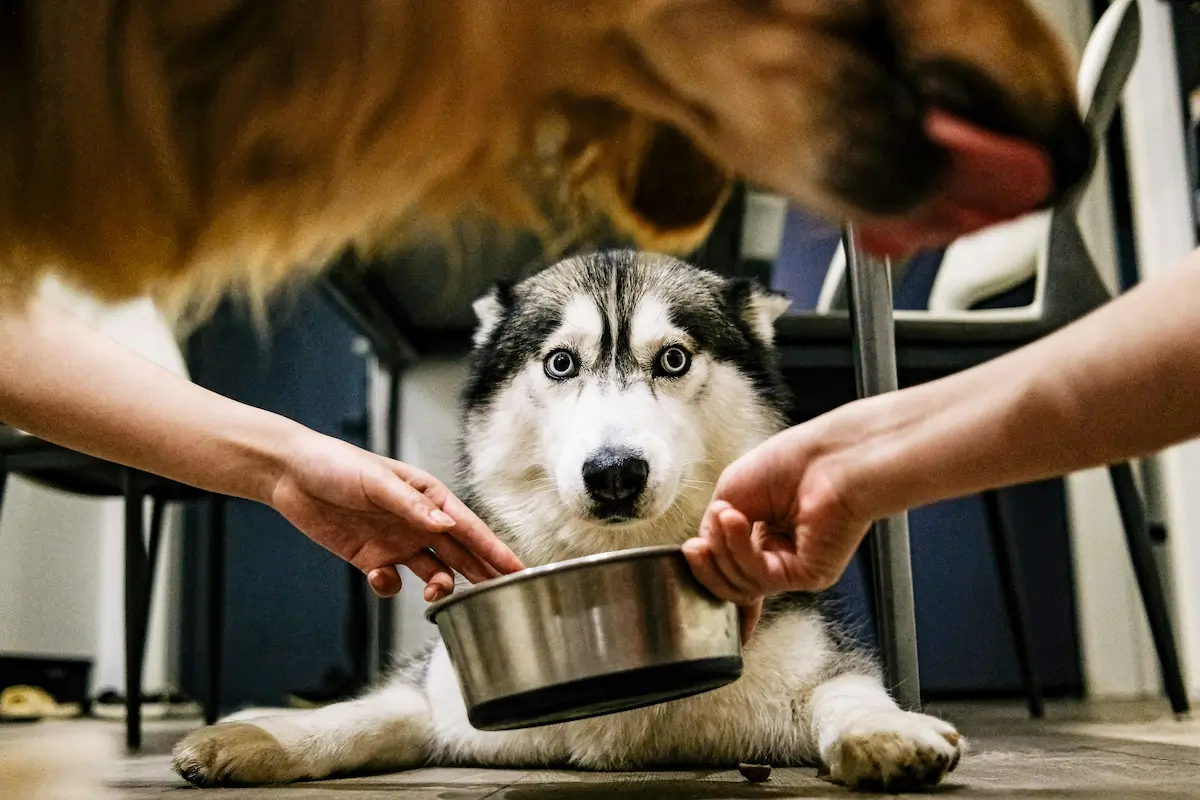
If your dog has a sensitive stomach, what you don't feed them matters just as much as what you do. Some foods that are technically safe for most dogs consistently trigger digestive upset in sensitive dogs — loose stools, vomiting, gas, and discomfort that leaves both you and your dog miserable.
This guide covers the foods most likely to cause problems, why they cause problems, what to watch for, and what to feed instead.
What Makes a Dog's Stomach "Sensitive"?
Sensitive stomach in dogs is not a single diagnosis — it is a description of a digestive system that reacts poorly to certain foods, ingredients, or dietary changes. Dogs with sensitive stomachs typically experience:
- Loose stools or diarrhea after eating certain foods
- Vomiting, especially after rich or fatty meals
- Excessive gas and bloating
- Gurgling stomach sounds (borborygmi)
- Reluctance to eat, especially after a bad episode
- Intermittent digestive upset without an obvious cause
Some dogs are sensitive their entire lives. Others develop sensitivity after illness, antibiotic treatment, or stress. Understanding which foods reliably trigger symptoms is the first step toward managing them.
The difference between a genuinely sensitive stomach and an underlying condition matters. If your dog has chronic digestive issues that do not improve with dietary changes, veterinary investigation is warranted — inflammatory bowel disease, food allergies, and other conditions require diagnosis and treatment beyond dietary management.
High-Fat Foods — The Most Common Trigger
Fat is the single most reliable trigger for digestive upset in sensitive dogs. High-fat foods cause the pancreas to work harder, and in sensitive dogs this can trigger anything from mild loose stools to acute pancreatitis.
Fatty meat trimmings — The fat cut from steak, pork chops, or chicken skin before cooking is extremely high in saturated fat. Even a small amount of fat trimming can cause significant digestive upset in a sensitive dog. Never give your dog cooked fat trimmings — dispose of them in a sealed bin.
Fried foods — French fries, fried chicken, tempura vegetables — the frying process saturates food with fat that a sensitive digestive system cannot handle. Fried foods cause some of the most severe episodes of digestive upset in sensitive dogs.
Butter and oils — A small drizzle of oil in human cooking becomes a significant fat load for a dog. Butter on bread, oil in pasta, and similar additions are consistently problematic. Even healthy oils like olive oil cause loose stools in sensitive dogs when consumed in any meaningful quantity.
Bacon and processed meats — Extremely high in both fat and sodium. Even a small piece of bacon can trigger a significant digestive response in sensitive dogs. Bacon is one of the most common causes of acute pancreatitis seen in veterinary emergency clinics.
Full-fat dairy — Cheese, cream, sour cream, and ice cream combine high fat with lactose — a double digestive challenge for sensitive dogs.
Dairy Products — Lactose Intolerance Is Common
Most adult dogs produce insufficient lactase — the enzyme needed to digest lactose in dairy. While some dogs tolerate small amounts of dairy, sensitive dogs consistently react poorly.
Milk — Even a small bowl of milk causes diarrhea and gas in most adult dogs. The lactose ferments in the colon producing gas and drawing water into the intestine causing loose stools. Cow milk has a higher lactose content than most dairy products.
Ice cream — Combines high fat with lactose and significant added sugar. One of the most reliable digestive upset triggers in sensitive dogs. The Puppuccino from Starbucks (plain whipped cream) is better tolerated but still high in fat — occasional tiny amounts only.
Sour cream and cream cheese — Very high in fat and lactose. Even small amounts cause issues in sensitive dogs. Cream cheese is sometimes used to coat pills — use the minimum possible amount.
Cheese in large amounts — Hard cheeses like cheddar have lower lactose than soft cheeses due to the aging process, but fat content remains high. Small pea-sized pieces of hard cheese as training treats are manageable for many sensitive dogs. Avoid soft cheeses, processed cheese slices, and cheese sauces entirely.
The exception: Plain Greek yogurt and cottage cheese are often better tolerated because the straining and culturing process reduces lactose significantly. Many sensitive dogs tolerate small amounts of these without issue — they are useful as probiotic food toppers.
Spicy and Seasoned Foods
Dogs have no evolutionary history with spicy food and their digestive systems react poorly to capsaicin and strong seasonings.
Hot sauce and chili-based foods — Capsaicin causes significant gastric irritation in dogs. Even mild spice that a human finds barely noticeable can cause vomiting and diarrhea in sensitive dogs. Dogs cannot express capsaicin pain the same way humans do — they simply suffer.
Heavily seasoned meat — Garlic powder, onion powder, paprika, and pepper in marinades and seasonings irritate the digestive tract independently of their toxicity concerns. Onion and garlic are also genuinely toxic causing hemolytic anemia with regular exposure.
Curries and spiced dishes — The combination of spices in curry causes significant digestive upset. Never share spiced human food with a sensitive dog.
Condiments — Ketchup, mustard, hot sauce, and BBQ sauce all contain spices and seasonings that trigger digestive upset in sensitive dogs — and most also contain garlic and onion which are toxic regardless of stomach sensitivity.
High-Fiber Vegetables — Too Much Too Fast
Vegetables are generally healthy for dogs, but high-fiber vegetables cause significant gas and loose stools in sensitive dogs — especially when introduced in large amounts or too quickly.
Broccoli and cauliflower — The isothiocyanates in cruciferous vegetables cause gas and digestive upset. Sensitive dogs react more strongly than others. Small cooked amounts are better tolerated than raw or large portions.
Brussels sprouts — Consistently cause significant gas due to raffinose — a sugar that ferments in the colon. Most sensitive dogs react noticeably to even small amounts. The gas production can be significant enough to cause visible discomfort.
Cabbage — High in fermentable fiber causing gas and bloating. Cooking reduces the effect but sensitive dogs often still react.
Kale and spinach — High in oxalic acid and fiber. Both cause digestive upset in sensitive dogs with even moderate amounts. Simpler vegetables like green beans and carrots are always better daily choices.
Raw vegetables in large amounts — Even gentle vegetables like carrots cause loose stools in sensitive dogs when fed in large quantities. Cook vegetables to improve digestibility for sensitive stomachs — cooking breaks down cell walls making nutrients and fiber more accessible and less disruptive.
Introducing vegetables gradually — For sensitive dogs, introduce any new vegetable in tiny amounts and increase slowly over 2-3 weeks. What causes no issue in a healthy dog can trigger a significant episode in a sensitive dog when introduced too quickly.
High-Sugar Foods and Fruits
Sugar draws water into the intestine and feeds bacteria that produce gas — both mechanisms cause digestive upset in sensitive dogs.
Grapes and raisins — Avoid completely. Beyond digestive concerns grapes and raisins cause acute kidney failure in dogs. There is no safe amount established. Any grape or raisin exposure warrants immediate veterinary contact.
Very sweet fruits in large amounts — Mango, pineapple, and banana in large portions cause diarrhea in sensitive dogs due to high natural sugar content. Small amounts as occasional treats are generally fine — the serving size matters enormously.
Dried fruits — Concentrated sugar plus concentrated fiber creates a reliable diarrhea trigger. Even dried blueberries in significant amounts cause loose stools in sensitive dogs. Never dried apricots raisins or sultanas.
Fruit juice — Concentrated sugar without fiber causes rapid digestive upset. Never give dogs fruit juice — fresh water is always the appropriate drink.
Human sweets and candy — Combined sugar, fat, and artificial ingredients make candy and baked goods consistently problematic — and many contain xylitol which causes rapid liver failure regardless of stomach sensitivity.
Grains That Cause Problems in Some Dogs
While most dogs digest grains without issue, some sensitive dogs have grain sensitivities or outright intolerances that cause chronic digestive problems.
Signs your dog may be grain sensitive:
- Loose stools that persist despite other dietary changes
- Chronic gas
- Itchy skin alongside digestive symptoms — this pattern often indicates food sensitivity rather than simple digestive upset and warrants veterinary investigation
Grains most often implicated:
Wheat — The most common grain sensitivity in dogs. Wheat gluten causes digestive inflammation in sensitive dogs. Check your dog's kibble ingredients if chronic loose stools are a problem — wheat is present in many commercial dog foods.
Corn — Lower digestibility than rice or oats. Whole corn kernel passes through largely undigested causing loose stools in sensitive dogs.
Soy — Soy protein causes digestive issues in some sensitive dogs and is a common food allergen in both dogs and humans.
If you suspect grain sensitivity, an elimination diet trial under veterinary supervision is the most reliable way to identify the problem grain. Do not self-diagnose grain sensitivity — other conditions cause similar symptoms.
Foods That Are Specifically Problematic for Sensitive Stomachs
Some foods fall into the grey zone — not toxic for healthy dogs but consistently problematic for sensitive stomachs specifically.
Rawhide and tough chews — Difficult to digest and cause digestive upset in sensitive dogs. Pieces that are swallowed cause stomach upset and potential obstruction. Use digestible chews like bully sticks or dental chews specifically designed for sensitive stomachs.
Rich organ meats in large amounts — Beef liver and heart are nutritious but extremely rich. Large amounts cause diarrhea in almost all dogs; sensitive dogs react to even moderate amounts. Use organ meats as tiny training treats rather than food components.
Eggs in large amounts — Small amounts of plain cooked egg are fine and actually beneficial, but large amounts cause digestive upset in sensitive dogs due to high fat in the yolk. One egg a few times per week is appropriate for most sensitive dogs.
Bone broth with added onion or garlic — Commercial bone broths often contain onion and garlic. Even sensitive-stomach-appropriate bone broth should be checked for these ingredients. Make plain homemade bone broth without any seasonings as the safe alternative.
New foods introduced too quickly — For sensitive dogs, any new food can cause upset if introduced too rapidly. The digestive system needs time to adjust to new proteins and ingredients. New foods should be introduced over 7-14 days minimum for sensitive dogs.
Table scraps in general — The variability of table scraps — different foods every day with different fat salt and seasoning levels — is itself a trigger for sensitive stomachs. Consistency is more important for sensitive dogs than variety.
What to Feed Instead
Sensitive dogs do best on consistent highly digestible diets without variation.
Bland protein sources: Boiled chicken breast, plain cooked turkey, or plain white fish — cooked without any fat or seasoning. These are the safest proteins for sensitive stomachs and the standard recommendation during digestive upset episodes.
Easily digestible carbohydrates: Plain white rice (more digestible than brown rice), plain cooked oatmeal, or plain sweet potato — cooked soft without additions.
Plain pumpkin: One to four teaspoons of plain canned pumpkin (not pie filling) helps both diarrhea and constipation in sensitive dogs. The soluble fiber absorbs excess water in loose stools while adding bulk to relieve constipation.
Plain Greek yogurt: Small amounts provide probiotics that support gut health without the lactose load of regular dairy. Look for live active cultures and check for xylitol in sugar-free varieties.
Limited-ingredient dog food: Commercial foods with a single protein source and minimal ingredients give sensitive stomachs less to react to. Novel proteins like venison, duck, or rabbit can help dogs that have developed sensitivities to common proteins like chicken or beef.
Consistent feeding schedule: Feed at the same times every day. Irregular feeding times cause digestive stress in sensitive dogs.
Building a Long-Term Management Plan
Managing a sensitive stomach is ongoing work not a one-time fix. The most effective approach combines:
Food diary: Keep a simple log of what your dog eats and any digestive symptoms. Patterns emerge quickly — often within 2-3 weeks of consistent recording.
Eliminate one variable at a time: Do not change multiple things simultaneously. If you change food and eliminate treats and start probiotics all at once you will not know which change helped.
Consistent treats only: Use the same low-fat treats consistently rather than varying treats based on what is available. Inconsistency is as much a trigger as specific foods.
Probiotic supplementation: Adding a dog-specific probiotic (Fortiflora, Proviable, Visbiome) supports the gut microbiome and reduces the severity of reactions to dietary indiscretions.
Gradual food transitions: Always transition food over 7-14 days minimum. Sensitive dogs need longer transitions than healthy dogs.
When to See the Vet
Dietary management helps most sensitive stomachs but some symptoms warrant veterinary attention:
- Diarrhea lasting more than 48 hours
- Blood in stool or vomit
- Significant weight loss over weeks or months
- Vomiting multiple times in a day
- Lethargy alongside digestive symptoms
- Bloated or painful abdomen
- No improvement after 2-4 weeks of dietary management
Chronic sensitive stomach that does not improve with dietary changes may indicate inflammatory bowel disease, food allergy, exocrine pancreatic insufficiency, or other underlying conditions that require diagnosis and treatment. A veterinary consultation — including potentially a food elimination trial under supervision — is the appropriate next step.
The Bottom Line
Sensitive stomach management is primarily about identifying and removing triggers. High-fat foods are the most reliable trigger across all sensitive dogs. Dairy, spicy foods, high-fiber vegetables in large amounts, and concentrated sugars follow closely.
Keep a simple food diary when your dog has an episode — note everything they ate in the 24 hours before symptoms appeared. Patterns emerge quickly and help you identify your dog's specific triggers.
For home remedies when your dog is having an episode of digestive upset, see our [Home Remedies for Upset Stomach in Dogs](/guides/home-remedies-upset-stomach-dogs) guide.
For a complete list of foods and their safety status, use our food safety search to check any ingredient before sharing it with your sensitive dog.
Photo by Xingchen Yan on Unsplash