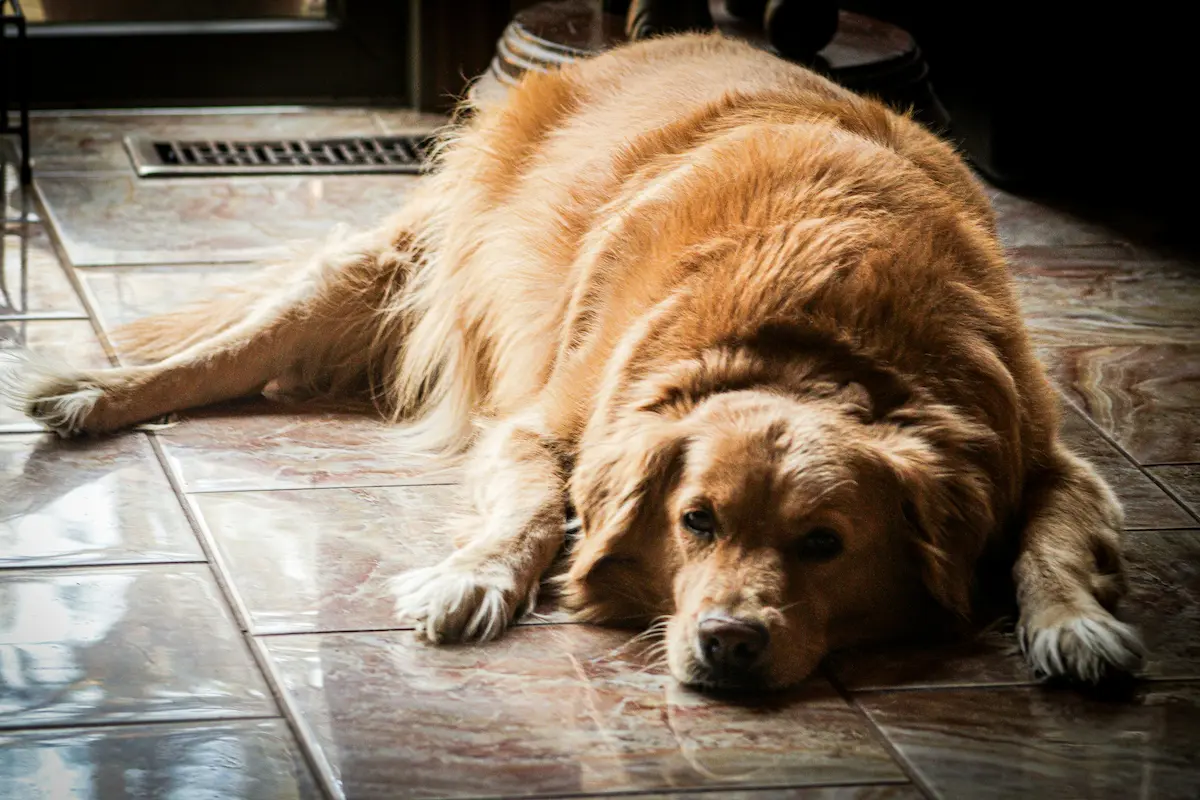
Canine obesity is one of the most common and most preventable health problems in dogs. Studies suggest that over 50% of dogs in North America are overweight or obese. Excess weight shortens life expectancy, accelerates joint deterioration, increases the risk of diabetes, and worsens heart and respiratory disease. The good news is that with the right food and a consistent approach, most dogs lose weight safely and measurably within a few months.
This guide covers how to choose the right weight loss food for your dog, what the key ingredients and labels mean, how much to feed, and our top recommendations for 2026.
Why Dog Weight Loss Is Harder Than It Looks
Most dog owners who notice their dog is overweight simply reduce the amount of their current food. This approach has two problems.
First, cutting portions of a standard maintenance food often leaves dogs hungry and nutritionally deficient. Weight loss foods are specifically formulated to deliver fewer calories while maintaining the protein, vitamins, and minerals dogs need. Cutting standard food by 30% also cuts protein and nutrients by 30% — which is not appropriate for a dog that still needs full nutritional support while losing weight.
Second, the calorie information on most dog food bags is calculated for maintenance — not for weight loss. A dog eating at the maintenance level for their target weight will not lose weight if they are sedentary. Weight loss requires eating below maintenance calories for a period of time.
The right weight loss food makes calorie restriction easier by increasing satiety — primarily through higher fiber and protein content — so dogs feel full on fewer calories.
How to Know If Your Dog Needs to Lose Weight
Body condition scoring is the most practical tool for assessing a dog's weight. Unlike using a scale alone, body condition scoring accounts for the dog's frame size and build.
The rib test: Run your fingers firmly along your dog's ribcage. You should feel the ribs without pressing hard — like feeling your knuckles through the back of your hand. If you cannot feel the ribs without significant pressure, your dog is overweight. If the ribs are prominently visible, the dog may be underweight.
The waist check: View your dog from above. There should be a visible narrowing at the waist behind the rib cage. A dog that appears rectangular when viewed from above — no visible waist — is likely overweight.
The tuck check: View your dog from the side. The abdomen should tuck upward behind the ribcage. A belly that hangs level with or below the chest indicates excess abdominal fat.
Veterinary assessment: Your vet can formally body condition score your dog on a 1-9 scale (where 4-5 is ideal) and give you a target weight. This is the most accurate starting point before beginning a weight loss programme.
What Makes Weight Loss Dog Food Different?
Weight loss dog foods are formulated differently from standard maintenance foods in several key ways.
Lower calorie density: Weight loss foods typically contain 250-350 kcal per cup compared to 350-450 kcal per cup in standard foods. The lower calorie density means a dog can eat a similar volume of food for fewer total calories — critical for keeping dogs satisfied.
Higher fiber content: Fiber increases satiety without adding calories. Weight loss foods often contain 8-12% crude fiber compared to 2-4% in standard foods. The fiber comes from sources like beet pulp, chicory root, psyllium husk, and increased vegetable content. Dogs fed high-fiber weight loss foods eat the same volume but absorb fewer calories per cup.
Higher protein, lower fat: Protein has a high satiety value and supports lean muscle mass during weight loss. Fat is the most calorie-dense macronutrient at 9 kcal per gram versus 4 kcal per gram for protein and carbohydrates. Weight loss foods reduce fat while maintaining or increasing protein to preserve muscle while reducing calorie intake.
L-carnitine: Many weight loss foods add L-carnitine — an amino acid derivative that supports fat metabolism. L-carnitine helps dogs use stored fat as fuel more efficiently during caloric restriction. It is one of the more evidence-backed additives in weight loss pet food.
Added joint support: Overweight dogs almost always have increased joint stress. Many weight loss foods include glucosamine and chondroitin to support joint health during and after weight loss.
Reading the Label on Weight Loss Dog Food
Calories per cup: This is the most important number for weight management. Look for this information on the bag — it may be listed as kcal/cup or kcal per kg. Lower is not always better — the food also needs to be nutritionally complete.
Crude protein: Should be at least 25-30% on a dry matter basis for a weight loss food. Higher protein preserves muscle during caloric restriction.
Crude fat: Look for 8-12% on a dry matter basis. Very low fat foods (under 8%) can compromise coat health and fat-soluble vitamin absorption.
Crude fiber: Look for 8% or higher. This is the key satiety driver in weight loss foods.
AAFCO statement: Should read "formulated to meet the nutritional levels established by the AAFCO Dog Food Nutrient Profiles for adult maintenance" or "all life stages." Weight loss foods are still complete and balanced — they just deliver fewer calories per serving.
First ingredient: Should be a named protein — chicken, turkey, salmon, beef. Protein-first formulations preserve lean muscle during weight loss better than carbohydrate-first formulas.
Prescription Weight Loss Food vs Over-the-Counter
This is a distinction worth understanding before choosing a weight loss food.
Prescription weight loss foods (Hill's Prescription Diet r/d, Royal Canin Satiety Support, Purina OM) require a veterinary prescription and are typically recommended for dogs with more significant obesity or those that have not responded to over-the-counter weight management foods. They have more extreme calorie and fat restriction than OTC options and are designed to be used under veterinary supervision with regular weigh-ins.
Over-the-counter weight management foods (Hill's Science Diet Healthy Weight, Purina Pro Plan Weight Management, Royal Canin Weight Care) are available without a prescription and are appropriate for dogs that are moderately overweight. They are less extreme in their restriction and appropriate for home management without frequent vet visits.
For dogs that are severely obese, or where weight loss has medical urgency (severe arthritis, breathing difficulty, pre-diabetic), a veterinary consultation and prescription food is the better starting point.
Top Weight Loss Dog Food Recommendations 2026
Hill's Science Diet Healthy Weight
Hill's Healthy Weight is one of the most widely recommended over-the-counter weight management foods and is a natural starting point before prescription options. It contains clinically tested levels of protein and fiber to support weight loss while maintaining muscle mass. L-carnitine is included to support fat metabolism. Hill's conducts feeding trials on their weight management formulas rather than relying solely on laboratory analysis — which means the calorie and satiety claims are validated in actual dogs. Available at most major pet retailers and veterinary clinics.
Best for: Moderately overweight dogs needing OTC weight management food with strong research backing.
Purina Pro Plan Weight Management
Purina Pro Plan Weight Management uses a high-protein, reduced-fat approach to weight management with real chicken as the first ingredient. The formula maintains 30% protein — higher than many competitors — which is important for preserving lean muscle during caloric restriction. Purina conducts formal feeding trials and their weight management formulas have been used successfully by veterinarians for years. The palatability is high, which helps dogs accept the reduced-calorie food without food refusal.
Best for: Overweight dogs that need high protein during weight loss, or dogs that are picky eaters.
Royal Canin Satiety Support (Prescription)
Royal Canin Satiety Support is a prescription weight management food with very high fiber content designed specifically to create satiety on reduced calories. The dual fiber approach — combining soluble and insoluble fiber sources — keeps dogs feeling full between meals. It also contains very high protein to preserve muscle during significant weight loss. Requires veterinary prescription and is most appropriate for dogs with significant obesity or those that have failed OTC weight management approaches.
Best for: Significantly obese dogs under veterinary supervision.
Hill's Prescription Diet r/d
Hill's r/d (reducing diet) is one of the most clinically validated weight loss foods for dogs and has been used in veterinary medicine for decades. The formula creates significant caloric restriction while maintaining complete nutrition. Designed for supervised weight loss with regular veterinary weigh-ins. Requires prescription. One of the most effective options for dogs with obesity-related health complications where rapid, measured weight loss is medically important.
Best for: Dogs with medically significant obesity requiring rapid supervised weight loss.
Blue Buffalo Healthy Weight
Blue Buffalo Healthy Weight is a mid-range OTC option using LifeSource Bits — a proprietary blend of vitamins, minerals, and antioxidants combined with their weight management formula. Chicken is the first ingredient and the formula is free from corn, wheat, and soy. A good option for owners who prefer avoiding those ingredients in their dog's weight management food. Slightly higher calorie density than Hill's Healthy Weight so portion control is particularly important.
Best for: Owners who want OTC weight management without corn, wheat, or soy.
How Much to Feed a Dog for Weight Loss
Calculating appropriate portions for weight loss requires a few steps.
Step 1 — Determine target weight: Your vet can set this. For moderately overweight dogs, a reasonable target is 10-15% below current weight as a starting point, reassessed monthly.
Step 2 — Find the food's calorie content: This is listed on the bag as kcal/cup or kcal/kg.
Step 3 — Calculate resting energy requirement (RER) for target weight: RER = 70 × (target weight in kg)^0.75
Step 4 — Apply a weight loss multiplier: For weight loss, feed approximately 80% of the RER for target weight. This creates a caloric deficit that drives weight loss without being excessively restrictive.
Step 5 — Convert to cups: Divide the daily calorie target by the food's kcal per cup.
In practice, most vets will simply give you a daily cup measurement based on your dog's target weight using the food's feeding guide as a starting point, then adjust monthly based on actual weight loss. A safe weight loss rate for dogs is 1-2% of body weight per month — faster than this risks muscle loss and nutritional deficiency.
Low-Calorie Treats for Dieting Dogs
Treats represent a significant hidden calorie source for many overweight dogs. A dog eating a calorie-restricted weight loss food but receiving multiple high-calorie treats daily may show no weight loss at all.
Best low-calorie treat options:
Carrots — Approximately 25 calories per medium carrot. High water content, satisfying crunch, naturally sweet. One of the best weight loss treats. Can be served fresh or frozen.
Green beans — Approximately 17 calories per half cup. Very high fiber, very low calorie. Many veterinarians recommend the green bean diet — replacing up to 10% of meals with plain green beans — as a weight loss strategy for stubborn cases.
Cucumber slices — Approximately 8 calories per half cup. Almost entirely water and fiber. Highly palatable for most dogs.
Watermelon (seedless) — Approximately 30 calories per cup of cubed flesh. Hydrating and sweet without high calorie density. Remove seeds and rind.
Blueberries — Approximately 40 calories per half cup. High antioxidant content alongside relatively low calorie density. Good training treats for size.
Plain air-popped popcorn — Approximately 30 calories per cup. High volume for low calories — useful for dogs that need frequent small treats during training.
Avoid: Peanut butter (high calorie), cheese (high calorie), commercial dog treats (check calorie content), and any human food with added sugar, salt, or unsafe ingredients.
Exercise and Diet — Both Matter
Food adjustment creates the caloric deficit needed for weight loss. Exercise preserves muscle mass, improves cardiovascular health, and makes the dog feel better during the process.
For overweight dogs, start with low-impact exercise that does not stress already-strained joints:
Swimming or hydrotherapy: Ideal for overweight dogs with joint issues. Full range of motion without joint impact. Many veterinary rehabilitation centres offer hydrotherapy sessions.
Leash walking: Start with 15-20 minute walks twice daily and increase gradually. Avoid running or intense activity with severely overweight dogs until significant weight has been lost.
Mental stimulation: Puzzle feeders, sniff walks, and training sessions burn calories through mental engagement without high physical impact. Using the dog's daily food ration in a puzzle feeder replaces bowl feeding with an activity that takes much longer and provides mental enrichment.
Avoid: Long runs, high-impact jumping, or intense play sessions until the dog has lost significant weight and joint stress has decreased.
Common Weight Loss Mistakes
Free feeding: Leaving food available all day makes calorie control impossible. All weight management must involve measured, scheduled meals.
Underestimating treats: Most owners significantly underestimate the caloric contribution of treats. Count every treat and reduce meal portions accordingly.
Switching to light food without measuring: Simply buying a "light" version of your dog's current food and continuing to feed the same volume will not cause weight loss — and may cause weight gain if the lower calorie food triggers the dog to eat more.
Inconsistency between family members: Weight management fails when one family member undermines it. Everyone feeding the dog must be aligned on the programme, portion sizes, and treat limits.
Expecting too much too fast: A 1-2% monthly weight loss rate means a 10kg dog loses 100-200g per month. This feels slow but is the medically appropriate rate. Faster weight loss causes muscle wasting and nutritional problems.
Not reassessing: Monthly weigh-ins and body condition scoring allow you to adjust portions as weight changes. As a dog loses weight their caloric needs also change — the target portions from week one will not be appropriate indefinitely.
Frequently Asked Questions
Can I just reduce my dog's current food instead of buying a weight loss formula? You can, but it is less effective. Cutting standard food by 30% also cuts protein and nutrients by 30% — leaving dogs hungry and potentially nutritionally deficient. Weight loss foods maintain protein and nutrition while reducing calories through increased fiber and lower fat content. They are the better approach for sustained weight management.
How long will it take for my dog to lose weight? At the safe rate of 1-2% of body weight monthly, a 15kg dog losing to a target of 12kg would take approximately 12-18 months. This feels slow but protects muscle mass and metabolic health. Dramatic rapid weight loss causes more problems than it solves.
My dog seems hungry all the time on the weight loss food — is that normal? Some hunger adjustment is normal in the first 2-3 weeks. If hunger persists, increase fiber by adding plain green beans or carrots to meals. If the dog appears distressed, discuss with your vet whether the caloric target is appropriate or whether a prescription satiety food would be better.
Should I give weight loss food to my puppy? No. Puppies require higher calorie, higher protein, higher fat food for development. Do not restrict a puppy's calories. If a puppy is gaining weight excessively, discuss with your vet — it is almost always a feeding volume issue rather than a food type issue.
Are there supplements that help with dog weight loss? L-carnitine is the most evidence-backed supplement for supporting fat metabolism in dogs during weight loss — and it is included in most quality weight loss foods already. Fish oil supports joint health during weight loss but does not directly promote fat loss. Avoid any herbal or commercial supplement claiming to accelerate dog weight loss without veterinary recommendation.
My dog lost weight and is now at their target — what do I feed them? Once target weight is reached, transition to a standard adult maintenance food appropriate for your dog's size and activity level. Use the transition schedule of 75/25, 50/50, 25/75 over 7-10 days. Monitor body condition monthly to ensure weight is maintained.
Can my dog eat weight loss food long term? Standard weight loss foods can be used long term for dogs that regain weight easily or have very low activity levels. Prescription weight loss foods are typically transitioned to maintenance food once target weight is reached. Discuss long-term feeding strategy with your vet.
When to Involve Your Vet
Weight management is worth a veterinary conversation in several situations:
- Your dog is severely obese (more than 30% above ideal weight)
- Your dog has joint problems, breathing difficulty, or other obesity-related health issues
- Your dog has lost and regained weight multiple times
- Your dog has not lost weight after 6-8 weeks on a weight management food with correct portioning
- You are unsure of the target weight to aim for
A veterinary assessment provides body condition scoring, a target weight, baseline bloodwork if appropriate, and specific caloric targets based on your individual dog's metabolic needs. For dogs with significant obesity, this is the most efficient path to effective results.
For questions about specific foods your dog has eaten, use our food safety database to check safety before sharing.
Related Guides
- Best Dog Food for Sensitive Stomachs
- Best Dog Food for Puppies
- Best Dog Food for Senior Dogs
- Foods Dogs Cannot Eat
- Is Pet Insurance Worth It?
Photo by Ashley Levinson on Unsplash