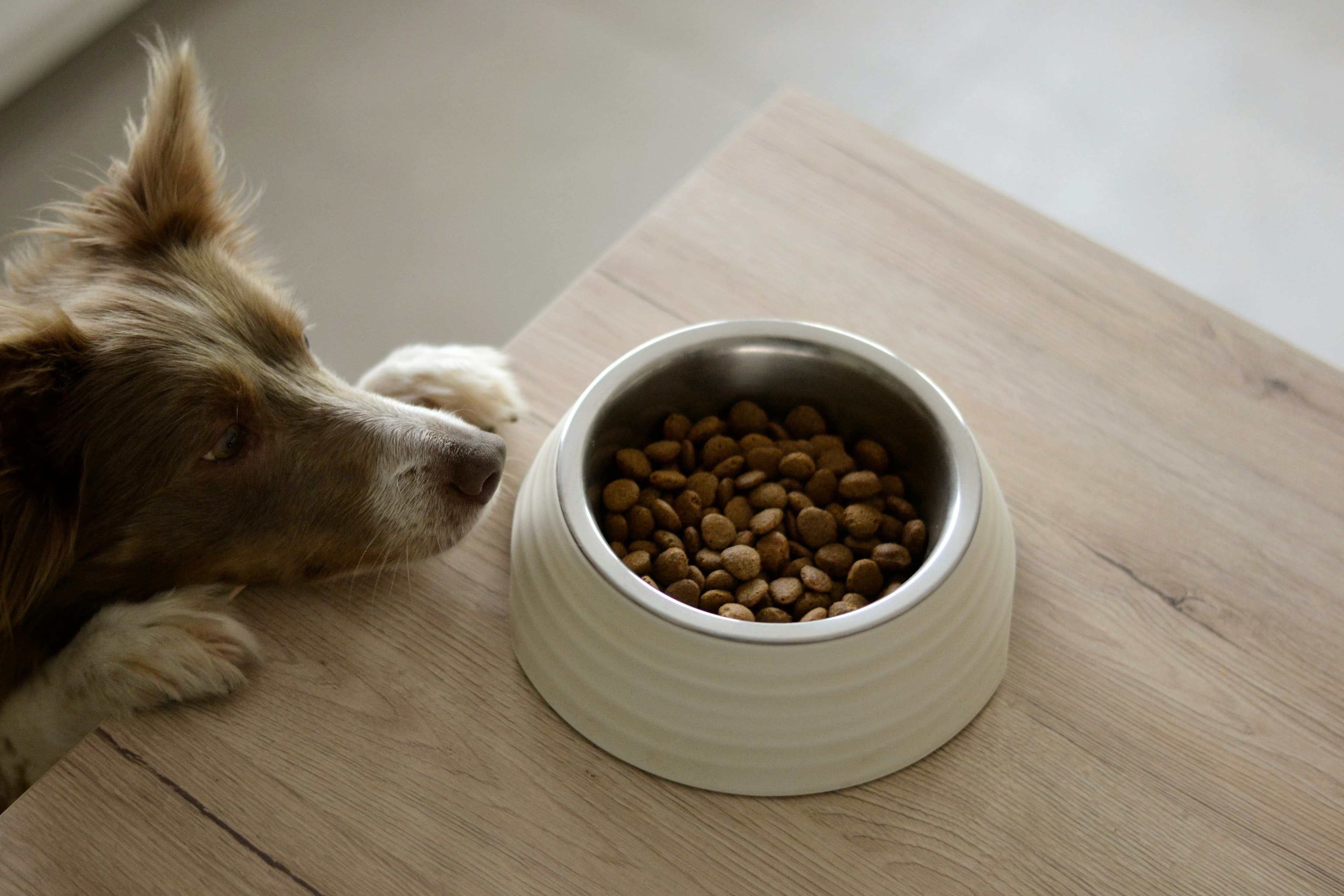
Choosing the right food for a puppy is one of the most important decisions you will make as a new dog owner. Puppies have dramatically different nutritional needs than adult dogs — they need more protein, more calories, and specific minerals for bone and brain development. The wrong food at this stage affects their health for life.
This guide covers what to look for in puppy food, how to choose the right formula for your breed size, common feeding mistakes to avoid, and our top recommendations for 2026.
What Makes Puppy Food Different from Adult Food?
Puppies are not small adult dogs. Their nutritional requirements are fundamentally different during the growth phase.
Higher protein: Puppies need more protein than adult dogs to support muscle development. Look for a minimum of 22% crude protein — compared to 18% for adult maintenance.
Higher fat: Fat provides the energy puppies need for rapid growth and fuels brain development. DHA — an omega-3 fatty acid — is particularly important for cognitive and visual development. Quality puppy foods add DHA specifically for this reason.
Calcium and phosphorus balance: Bone development requires precise calcium and phosphorus ratios. Too little causes weak bones. Too much — particularly in large breed puppies — causes abnormally rapid bone growth leading to skeletal problems. This is why large breed puppies need a specifically formulated large breed puppy food.
Smaller kibble size: Puppies have smaller mouths and developing teeth. Appropriate kibble size matters for safe chewing and encourages proper jaw development.
AAFCO statement: Look for "formulated to meet the nutritional levels established by the AAFCO Dog Food Nutrient Profiles for growth" or "all life stages" on the label. This confirms the food meets minimum nutritional standards for puppies.
Large Breed vs Small Breed Puppy Food — Why It Matters
This is the most important distinction in puppy nutrition and the one most new owners overlook.
Large breed puppies (expected adult weight over 25kg) — breeds like Labradors, Golden Retrievers, German Shepherds, Rottweilers, and similar — must eat large breed specific puppy food. These formulas have controlled calcium and phosphorus levels to prevent the rapid bone growth that causes hip dysplasia and other skeletal problems. Never feed a large breed puppy a standard puppy food — the calcium levels are too high and accelerate bone growth to dangerous rates.
Small breed puppies (expected adult weight under 10kg) — Chihuahuas, Yorkshire Terriers, Toy Poodles, and similar — benefit from small breed formulas with smaller kibble and higher caloric density. Small dogs have faster metabolisms and higher energy needs per kilogram of body weight.
Medium breed puppies — can eat standard puppy food without the large breed restriction. Medium breeds include Cocker Spaniels, Border Collies, Bulldogs, and similar dogs with expected adult weights between 10-25kg.
Giant breed puppies (expected adult weight over 45kg) — Great Danes, Saint Bernards, Mastiffs, and similar — are the most at risk from incorrect calcium levels. Giant breed formulas have even more carefully controlled mineral ratios. Giant breed puppies that eat too much calcium develop a condition called hypertrophic osteodystrophy — a painful and potentially serious skeletal disease.
How Long Should Puppies Eat Puppy Food?
The transition to adult food depends on breed size:
- Small breeds: Switch at 9-12 months
- Medium breeds: Switch at 12 months
- Large breeds: Switch at 12-18 months
- Giant breeds (over 45kg adult): Switch at 18-24 months
Switching too early deprives puppies of the nutrition they need during the final growth phase. Switching too late means excess calories that contribute to obesity — particularly in large breeds whose growth slows but appetite does not.
What to Look for on the Label
Learning to read a puppy food label takes 5 minutes and is one of the most valuable things you can do for your puppy's long-term health.
First ingredient: Should be a named animal protein — chicken, beef, salmon, lamb, turkey. Not "meat meal" or "animal by-products" as the primary ingredient. Named proteins indicate higher quality sourcing.
DHA source: Look for fish oil or salmon oil listed as an ingredient — the primary dietary source of DHA for brain and eye development. Some foods use algae-derived DHA which is equally effective.
No artificial preservatives: Avoid BHA, BHT, and ethoxyquin. Look for natural preservatives like mixed tocopherols (vitamin E) or rosemary extract.
AAFCO statement for growth: This statement on the label confirms the food meets puppy nutritional standards — either tested through feeding trials or formulated to meet AAFCO profiles.
Named fat source: Chicken fat or salmon oil — not generic "animal fat" which can come from any animal source and is lower quality.
Whole grains or no grains: Whole brown rice, oatmeal, and barley provide digestible carbohydrates and fiber. If choosing grain-free, discuss with your veterinarian given the ongoing research into grain-free diets and cardiac disease.
Avoid: Artificial colors (Red 40, Yellow 5, Yellow 6), artificial flavors listed generically, corn syrup, and excessive fillers like brewer's rice in the first five ingredients.
Wet Food vs Dry Food for Puppies
Both wet and dry food can provide complete nutrition for puppies — the choice depends on your puppy's preferences, your lifestyle, and specific health considerations.
Dry kibble advantages:
- More convenient to store and portion
- Better for dental health — the crunching action helps reduce plaque
- Generally less expensive per serving
- Easy to use in puzzle feeders for mental stimulation
- Does not spoil quickly in the bowl
Wet food advantages:
- Higher moisture content supports hydration
- Often more palatable for picky puppies
- Easier to eat for puppies with small mouths or dental sensitivities
- Can be easier to mix medications into
- Often higher in protein and lower in carbohydrates
Mixed feeding: Many owners feed a combination — kibble as the primary food with wet food as a topper or occasional meal. This provides the dental benefits of kibble alongside the palatability and hydration benefits of wet food. If mixing, reduce kibble portions proportionally to account for the calories in wet food.
Portion control with wet food: Wet food is more calorie-dense per gram than kibble but the portion sizes look smaller. Always check the feeding guidelines on the specific product and adjust based on your puppy's weight and body condition.
Top Puppy Food Recommendations 2026
Royal Canin Breed Specific Puppy Foods
Royal Canin makes breed-specific puppy formulas that account for the unique jaw shape, activity level, and growth rate of specific breeds. Their large breed puppy formula is one of the most widely recommended by veterinarians for controlled bone growth. The kibble shape is engineered for specific bite patterns. Available for Labradors, Golden Retrievers, German Shepherds, and dozens of other breeds.
Best for: Owners of specific purebred dogs who want tailored nutrition.
Hill's Science Diet Puppy
Hill's Science Diet is the most frequently recommended puppy food brand by veterinary professionals. Their formulas are developed by veterinary nutritionists with extensive clinical research backing. The large breed puppy formula is particularly well regarded for controlled calcium levels. Widely available at veterinary clinics and major pet retailers. Hill's conducts regular feeding trials to validate their formulations rather than relying solely on laboratory analysis.
Best for: Owners who want vet-backed nutrition with easy availability and strong research support.
Purina Pro Plan Puppy
Purina Pro Plan is consistently rated highly in independent dog food reviews and is recommended by many breeders and veterinarians. The Chicken and Rice formula is highly digestible and palatable — useful for picky puppies. The large breed formula includes DHA from fish oil and controlled calcium. Pro Plan is one of the few brands that conducts formal feeding trials rather than relying solely on nutrient profiling.
Best for: Puppies who need a highly palatable food or owners looking for strong value with feeding trial validation.
Orijen Puppy
Orijen uses a biologically appropriate philosophy with high fresh meat content and minimal carbohydrates. Their puppy formula contains 85% quality animal ingredients with multiple protein sources. Higher price point reflects the ingredient quality. Note that grain-free diets have been associated with DCM (dilated cardiomyopathy) in some research — discuss grain-free options with your veterinarian before choosing, particularly for breeds already predisposed to cardiac disease.
Best for: Owners who prioritize high meat content and are comfortable discussing the grain-free question with their vet.
Wellness Complete Health Puppy
Wellness Complete Health is a solid mid-range option with quality ingredients at a more accessible price point than premium brands. Their puppy formula contains DHA from salmon oil, deboned chicken as the first ingredient, and no artificial preservatives. A good option for owners who want better ingredient quality than grocery store brands without premium pricing.
Best for: Owners looking for quality ingredients at a moderate price point.
How Much to Feed a Puppy
Portion size depends on the puppy's current weight, expected adult weight, and the specific food's caloric density. Always use the feeding guide on your specific food as a starting point — then adjust based on body condition.
Feeding frequency by age:
- Under 12 weeks: 3-4 times per day
- 12 weeks to 6 months: 3 times per day
- 6 months onward: twice daily
Body condition scoring: You should be able to feel your puppy's ribs easily by running your fingers along their sides but not see them prominently. A visible waist when viewed from above indicates healthy weight. A rounder appearance without a visible waist suggests overfeeding.
Monitor your puppy's weight monthly and adjust portions accordingly. Puppies should grow steadily, not rapidly. Overfeeding a large breed puppy accelerates bone growth to dangerous rates and contributes to long-term joint problems.
Free feeding vs scheduled meals: Scheduled meals are strongly preferred over leaving food available all day (free feeding). Scheduled meals allow you to monitor appetite changes that may indicate illness, maintain a predictable elimination schedule for house training, and prevent overeating.
Common Puppy Feeding Mistakes
Feeding adult food: Adult food does not meet the higher protein, fat, and mineral requirements of growing puppies. Puppies fed adult food from weaning may show slower growth and development.
Using the wrong breed size formula: Feeding standard puppy food to a large breed puppy is one of the most common and consequential mistakes. The excess calcium causes bone growth abnormalities that affect quality of life permanently.
Overfeeding: More is not better for puppies — particularly large breeds. Rapid growth from overfeeding stresses developing joints and bones. Follow feeding guidelines and adjust based on body condition.
Switching foods too quickly: Puppy digestive systems are still developing. Rapid food changes cause significant digestive upset. Always transition over 7-10 days minimum.
Giving too many treats: Treats should not exceed 10% of daily caloric intake. Excessive treats displace balanced nutrition and contribute to obesity. Use small low-calorie treats for training — plain rice cakes, small pieces of carrot, or pea-sized pieces of cheese.
Sharing human food: Many human foods are toxic to dogs and puppies are more vulnerable than adult dogs due to their smaller size and developing systems. Never give puppies grapes, raisins, chocolate, xylitol, onions, garlic, or macadamia nuts.
Skipping the vet nutrition conversation: Your vet can assess your puppy's growth trajectory, confirm your food choice is appropriate, and identify any breed-specific nutritional considerations at your first puppy appointment.
Transitioning Between Puppy Foods
If you need to switch puppy foods — whether changing brands or moving from puppy to adult food — always transition gradually over 7-10 days.
Transition schedule:
- Days 1-3: 75% old food / 25% new food
- Days 4-6: 50% old food / 50% new food
- Days 7-9: 25% old food / 75% new food
- Day 10: 100% new food
Rapid food changes cause digestive upset in puppies whose digestive systems are still developing. If loose stools or vomiting occur during the transition, slow the process further — extend each phase by 2-3 additional days.
Foods to Avoid Giving Puppies
Puppies are more vulnerable than adult dogs to many common food hazards due to their smaller size and developing systems. A toxic dose that might cause mild symptoms in a 30kg adult dog can be fatal for a 3kg puppy.
Never give puppies:
- Grapes or raisins — kidney failure with no established safe dose
- Chocolate — theobromine toxicity; dark chocolate most dangerous
- Xylitol — rapid liver failure; found in sugar-free gum, some peanut butters, baked goods
- Onions and garlic — hemolytic anemia; all forms including powder
- Macadamia nuts — neurological symptoms
- Raw bread dough — yeast expands and produces alcohol in stomach
- Cooked bones — splinter into dangerous sharp shards
- Alcohol — fatal even in tiny amounts for small puppies
- Caffeine — cardiac arrhythmias and seizures
Frequently Asked Questions
Can puppies eat the same food as adult dogs? No. Adult food does not meet the higher nutritional requirements of growing puppies. Feed puppy-specific food until your puppy reaches adult size — the timeline depends on breed size.
Is grain-free puppy food safe? The FDA investigated a potential link between grain-free diets and dilated cardiomyopathy (DCM) in dogs. While the research is ongoing and inconclusive, many veterinarians recommend grain-inclusive diets for puppies particularly in breeds predisposed to cardiac disease. Discuss with your vet before choosing grain-free.
How do I know if my puppy is eating enough? Monitor body condition rather than focusing on whether the bowl is empty. You should feel ribs easily but not see them. A visible waist from above is a healthy sign. Regular monthly weight checks against breed growth charts help confirm appropriate development.
Can I feed my puppy raw food? Raw feeding for puppies is controversial. The risk of bacterial contamination (Salmonella, E. coli, Listeria) is real for both puppies and the humans handling the food. Puppies' immune systems are still developing making them more susceptible. If you choose raw feeding consult with a veterinary nutritionist to ensure complete and balanced nutrition.
When should I switch from puppy to adult food? Small breeds at 9-12 months, medium breeds at 12 months, large breeds at 12-18 months, giant breeds at 18-24 months. Your vet can confirm the appropriate timing for your specific dog.
How many times a day should I feed my puppy? Three to four times daily for puppies under 12 weeks, three times daily from 12 weeks to 6 months, then twice daily from 6 months onward.
Is it okay to mix wet and dry puppy food? Yes — mixed feeding is appropriate and provides benefits of both formats. Reduce dry food portions proportionally when adding wet food to account for the additional calories.
My puppy is not eating — what should I do? A puppy that refuses food for more than 12-24 hours warrants veterinary attention. Short-term pickiness when transitioning to a new food is normal. Adding a small amount of warm water or low-sodium broth (without garlic or onion) to kibble can improve palatability.
When to Ask Your Vet
Puppy nutrition is worth a veterinary conversation at your first puppy appointment. Your vet can confirm whether your chosen food meets your breed's specific needs, assess your puppy's growth trajectory, and advise on when to transition to adult food.
For breed-specific questions about puppy food or to ask about symptoms your puppy is experiencing, an online vet consultation can provide guidance without requiring an in-person visit. See our [Best Online Vet Services](/guides/best-online-vet-services) guide for telehealth options.
For concerns about what your puppy has eaten, our food safety database covers hundreds of human foods with detailed safety information.
Photo by Ayla Verschueren on Unsplash