Introduction
Your dog just ate a blueberry off the floor. Before you google in a panic — breathe. Not everything your dog steals is a trip to the vet.
If you've spent any time searching "can dogs eat [food]" online, you've probably noticed that most results lean hard into worst-case scenarios. The internet loves a toxic food list. And while those lists exist for good reason, they've left a lot of dog owners unnecessarily anxious about foods that are actually fine — and in many cases, genuinely good for their dogs.
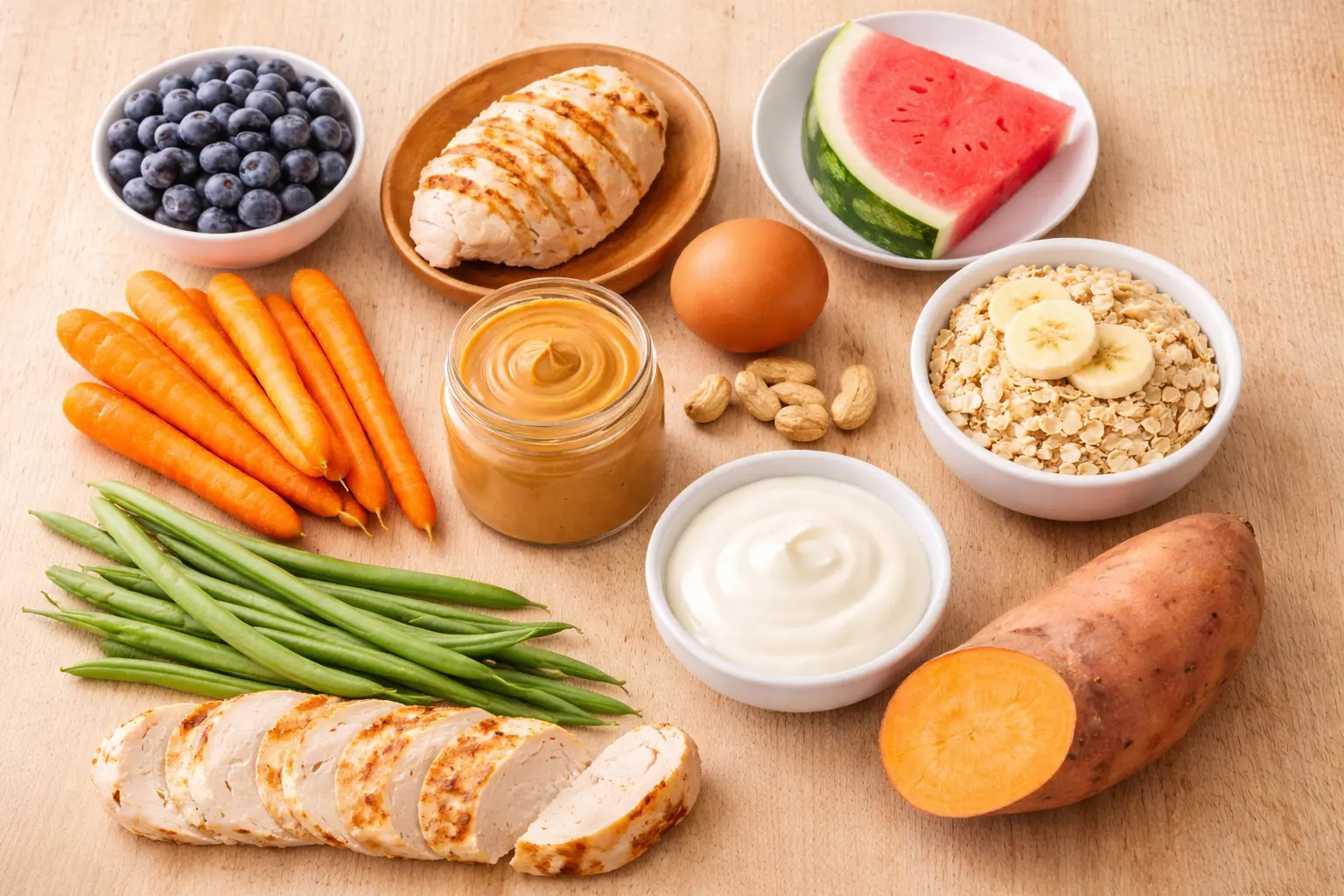
The truth is that plenty of human foods are not just safe for dogs, they're nutritious and worth adding to your dog's routine in the right amounts. This guide covers ten of them — the ones that regularly surprise dog owners — along with exactly how to feed them, how much to give, and what to watch out for.
For any food not covered here, our database at SafeFoodForDogs.com covers 545+ foods with individual safety ratings, nutritional notes, and preparation guidance.
What "Safe for Dogs" Actually Means
Before we get into the list, it's worth clarifying what safe actually means in this context — because the word gets used loosely and that causes confusion.
Safe Does Not Mean Unlimited
When we say a food is safe for dogs, we mean it contains no compounds that are toxic to dogs in reasonable amounts. It does not mean your dog can eat it freely, in any quantity, at any time. Every food on this list should be introduced gradually, fed in appropriate portions, and treated as a supplement to a complete diet — not a replacement for it.
Size also matters more than most people realize. A tablespoon of peanut butter is a small treat for a Labrador and a significant caloric addition for a Chihuahua. Always scale portions to your dog's size and daily caloric needs.
When to Check With Your Vet First
This guide is written for healthy adult dogs. If your dog has kidney disease, diabetes, pancreatitis, a history of digestive issues, or known food sensitivities, some of these foods may need to be modified or avoided entirely. Puppies and senior dogs may also have different tolerances. When in doubt, a quick call to your vet before introducing a new food is always the right move.
Blueberries — The Antioxidant Snack Dogs Actually Love
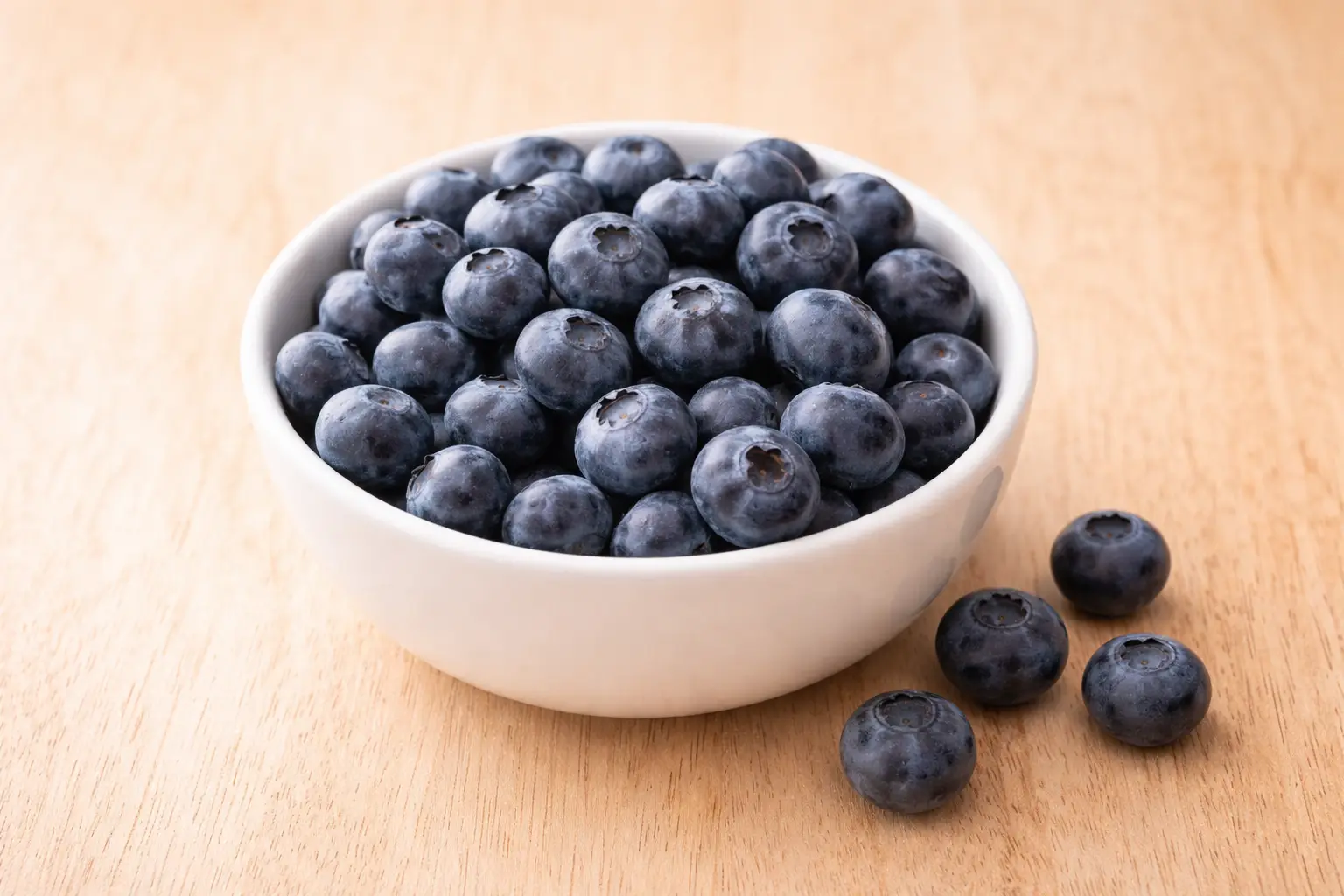
A lot of dog owners hesitate with blueberries. Small, dark berries feel like they could be toxic — and given that grapes and raisins are genuinely dangerous, the caution makes sense. But blueberries are an entirely different story.
Blueberries contain no compounds harmful to dogs and have actually been studied specifically in canine nutrition research. Anthocyanins — the pigments that give blueberries their color — cross the blood-brain barrier and have been shown to support cognitive function in aging dogs. Beyond that, blueberries provide vitamin C, fiber, and antioxidants that support immune health.
How to feed them: Fresh or frozen, whole, no preparation needed. For small dogs, five to ten berries is a reasonable daily amount. Larger dogs can handle up to twenty or thirty. Frozen blueberries make an excellent summer treat — most dogs love the texture.
Watch out for: Canned blueberries often contain added sugar or syrup and should be avoided. Dried blueberries are also more concentrated in sugar than fresh. Stick to plain fresh or frozen.
Plain Cooked Chicken — The Bland Diet Staple That's Also an Everyday Win
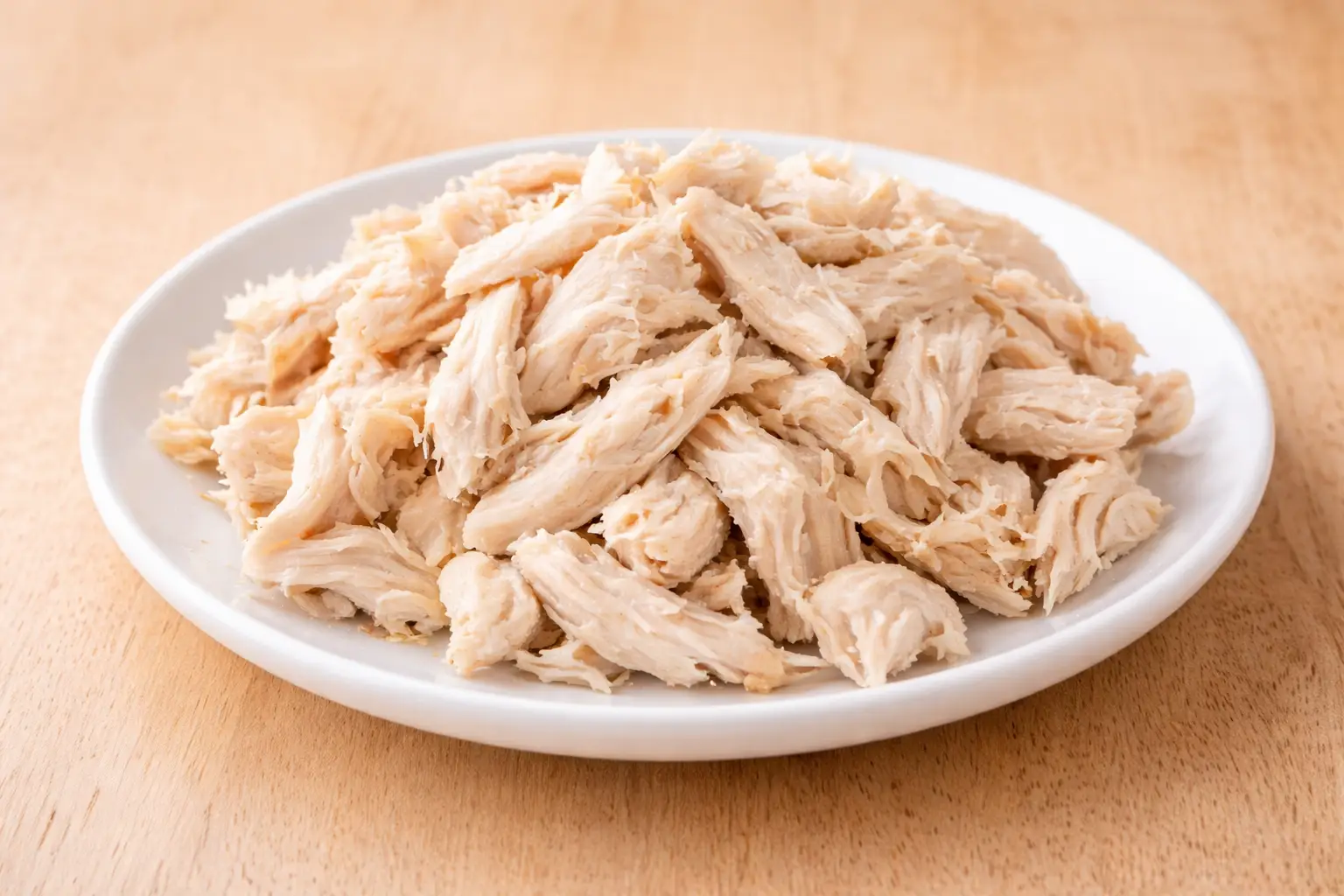
Many dog owners are hesitant to feed "human food" at all, worried it will create a picky eater or disrupt their dog's regular diet. Plain boiled chicken is the exception that vets themselves recommend — not just as an occasional treat, but as the go-to food when a dog has an upset stomach.
Lean protein is the foundation of canine nutrition, and plain boiled chicken is about as clean a protein source as you can offer. It's highly digestible, low in fat when the skin is removed, and contains amino acids that support muscle maintenance and immune function. It's also one of the few human foods that most dogs will eat enthusiastically even when they're unwell.
How to feed it: Boil plain in water with no seasoning, no onion, no garlic. Remove all skin and bones. Shred or dice into appropriate pieces. As a food topper or treat, keep it to around ten percent of your dog's daily calories. As part of a bland diet during illness, your vet may recommend a higher ratio alongside plain white rice.
Watch out for: Raw chicken carries Salmonella risk and should always be cooked thoroughly. Cooked chicken bones are dangerous — they splinter easily and can cause intestinal damage. Only boneless cooked chicken.
Watermelon — Summer's Best Dog Treat (Minus Two Parts)
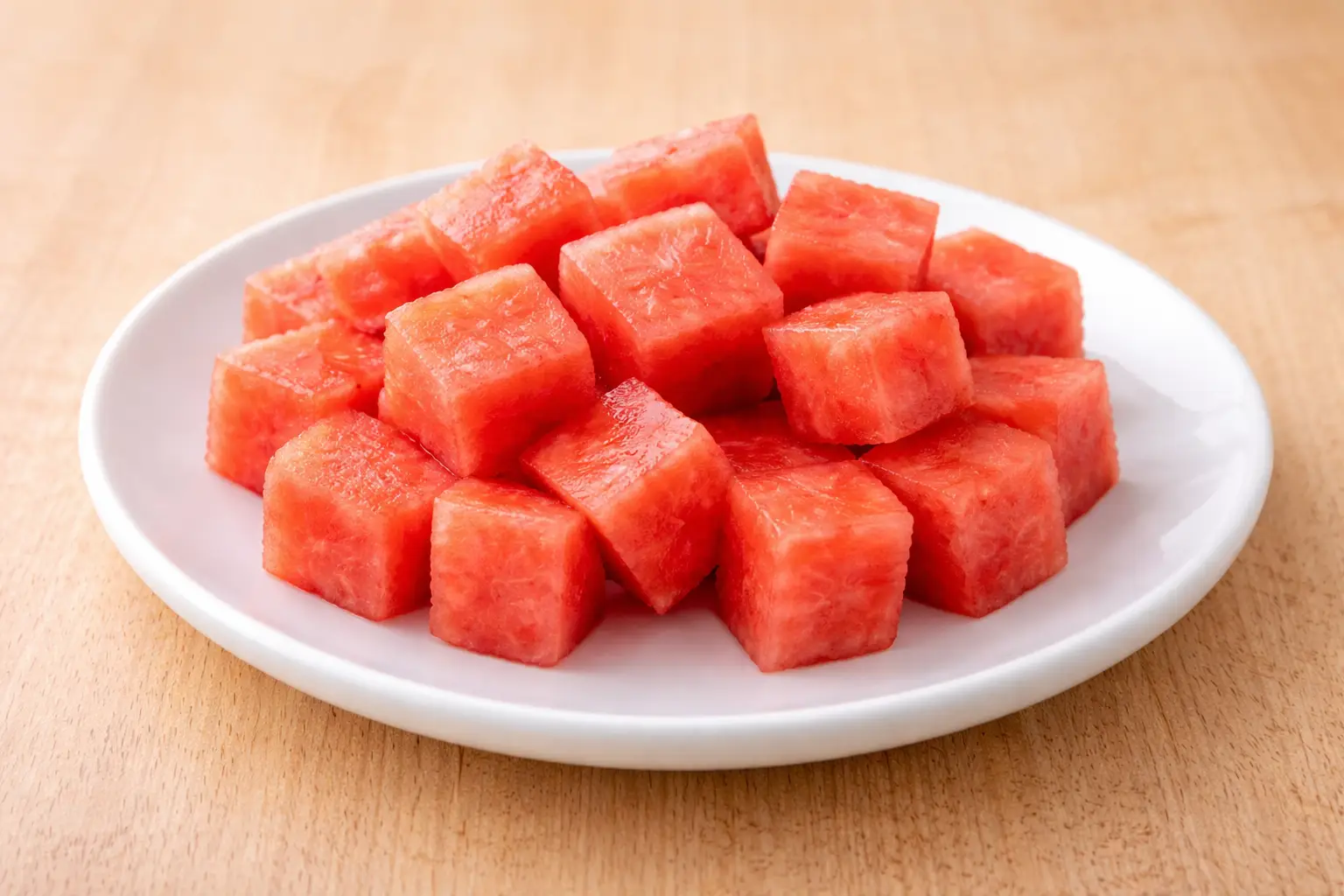
The instinct that fruit equals sugar equals bad for dogs is understandable, but it significantly overstates the risk for most fruits — and watermelon in particular. Watermelon is approximately 92% water and one of the lowest-calorie fruits available. It is an excellent hydration snack, particularly on hot days when dogs may not be drinking enough.
Watermelon provides vitamins A, B6, and C, along with potassium and lycopene, an antioxidant with anti-inflammatory properties. The caloric impact is minimal — a cup of watermelon chunks contains around 45 calories, less than most commercial dog treats.
How to feed it: Always seedless, always with the rind removed. Cut into one-inch cubes appropriate for your dog's size. A handful of cubes a few times a week is perfectly reasonable for most dogs. Frozen watermelon cubes are particularly popular in summer.
Watch out for: The seeds can cause intestinal blockage, especially in smaller dogs — even a few seeds are worth avoiding. The rind is hard to digest and can cause gastrointestinal upset. The flesh is the only part worth feeding.
Carrots — The Crunchy Treat That's Good for Their Teeth Too
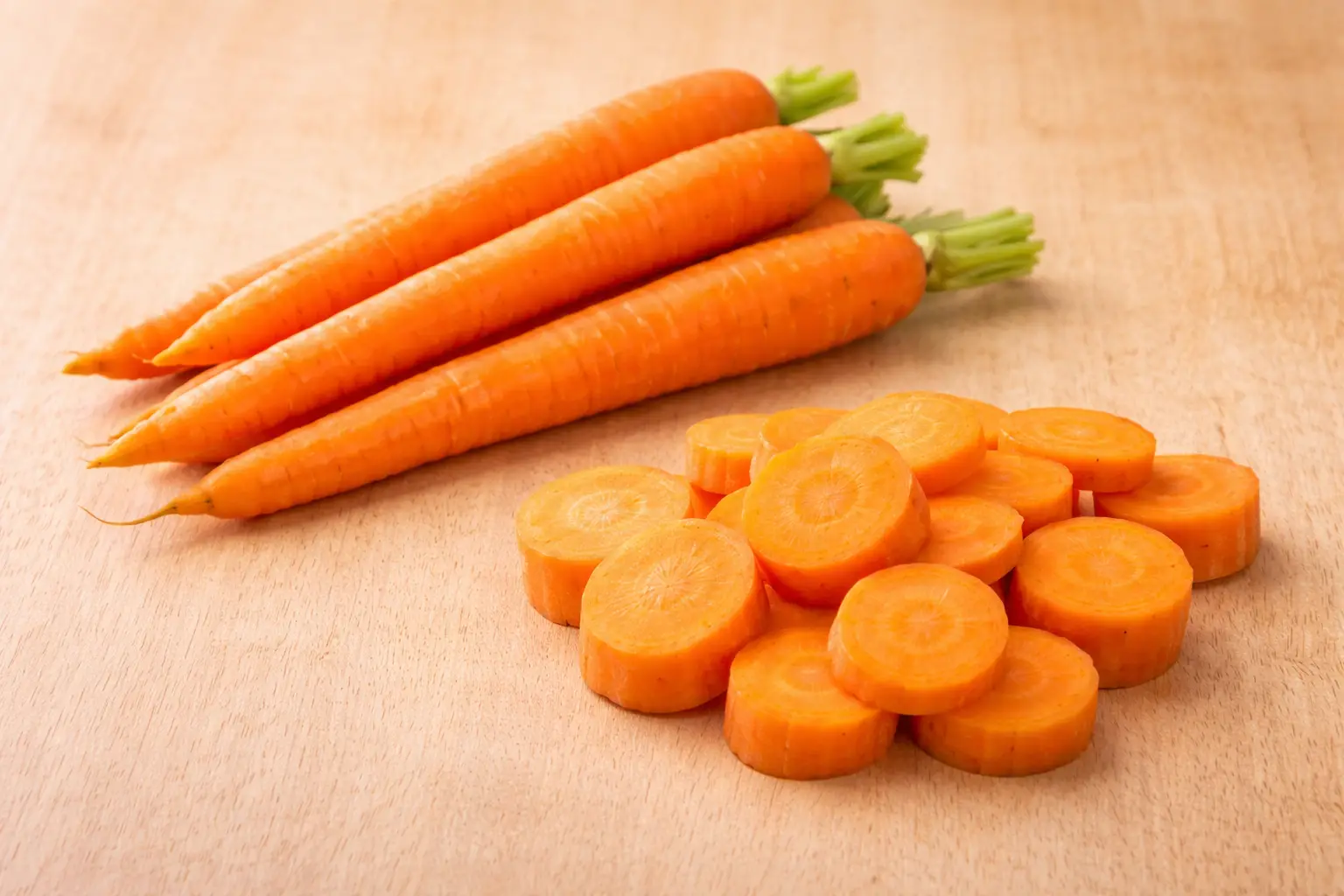
Vegetables in general make dog owners nervous — there's a perception that dogs are carnivores and vegetables are somehow wrong for them. While dogs are indeed primarily protein-driven, they are omnivores capable of digesting and benefiting from a range of plant foods. Carrots are one of the best examples.
Carrots are extremely low in calories — about 41 per 100 grams — and high in fiber, making them one of the most guilt-free treats available. The beta-carotene in carrots converts to vitamin A, supporting eye health, immune function, and skin condition. Raw carrots also provide meaningful dental benefits — the act of chewing a firm carrot helps scrape plaque from the teeth surface, particularly in dogs who resist brushing.
How to feed them: Raw carrots are ideal for the dental benefit and the satisfying crunch most dogs enjoy. Cooked carrots are softer and more digestible, better suited for senior dogs or those with dental issues. Baby carrots are a convenient size for training treats. No seasoning, no butter, no dips.
Watch out for: Very large quantities can cause loose stool due to the high fiber content. Introduce gradually if your dog isn't used to vegetables. And while carrots help, they are not a substitute for regular dental care.
Peanut Butter — Dogs Love It, and That's Mostly Fine
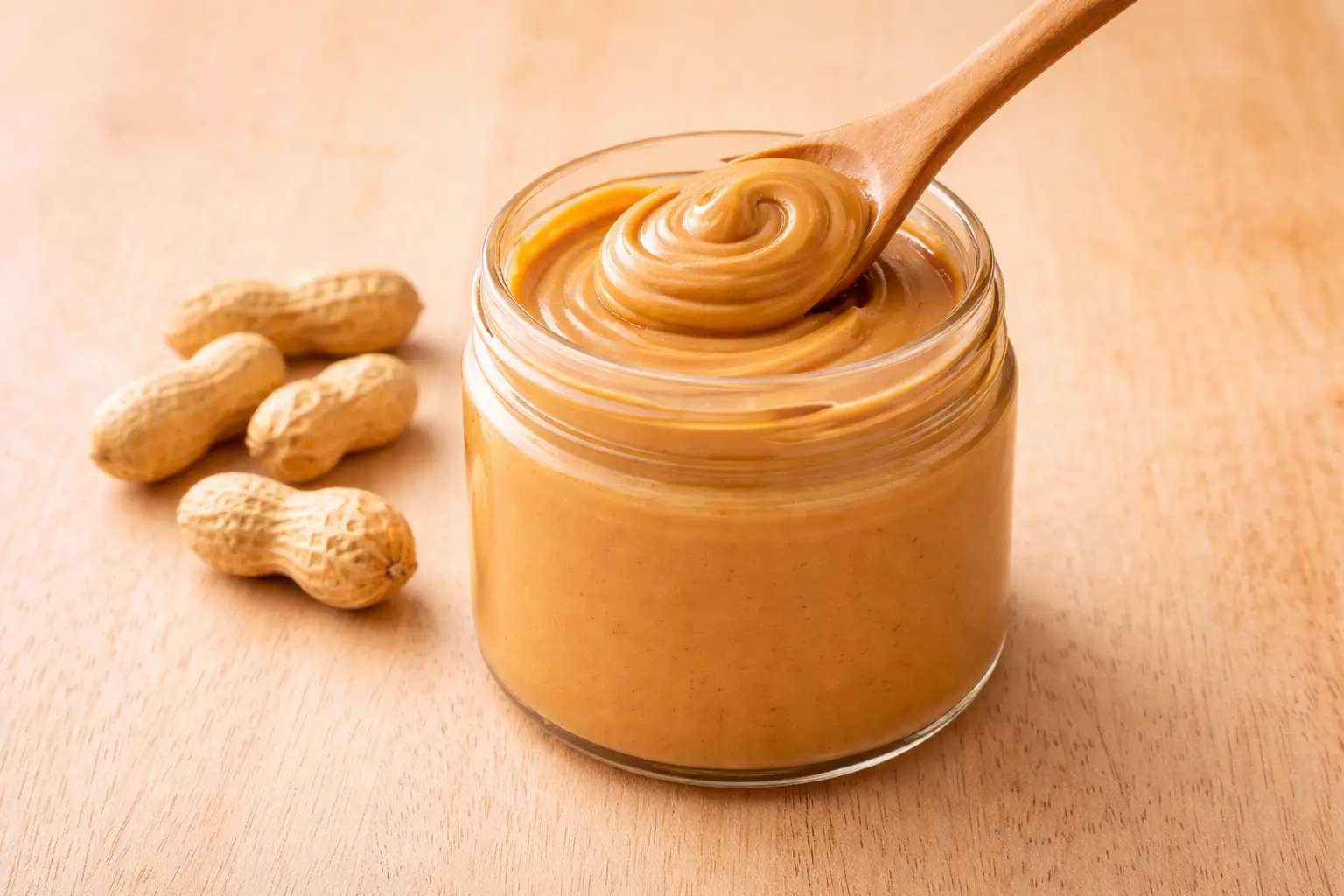
Peanut butter is probably the most widely used dog treat ingredient in existence — stuffed into Kongs, used to hide pills, spread on lick mats. And for good reason: most dogs are genuinely obsessed with it, and plain peanut butter is safe in appropriate amounts.
Peanut butter provides protein, healthy fats, niacin, and vitamins B and E. It's calorie-dense, which makes it useful as a high-value reward in training, and its sticky texture makes it one of the most effective ways to administer medication to a resistant dog.
How to feed it: One teaspoon for small dogs, one tablespoon for larger dogs — used as an occasional treat or enrichment tool rather than a daily staple. The calorie density means even a generous lick adds up quickly.
Watch out for: This is the most important caveat on this entire list. Some peanut butter brands now use xylitol as a sweetener, particularly in "natural," "low-sugar," or "reduced fat" varieties. Xylitol is extremely toxic to dogs — even small amounts cause rapid hypoglycemia and potential liver failure. Always read the label on every jar, every time. If xylitol appears anywhere in the ingredients, do not use it. Brands that use only peanuts and salt are the safest choice.
Eggs — A Near-Perfect Protein Source for Dogs
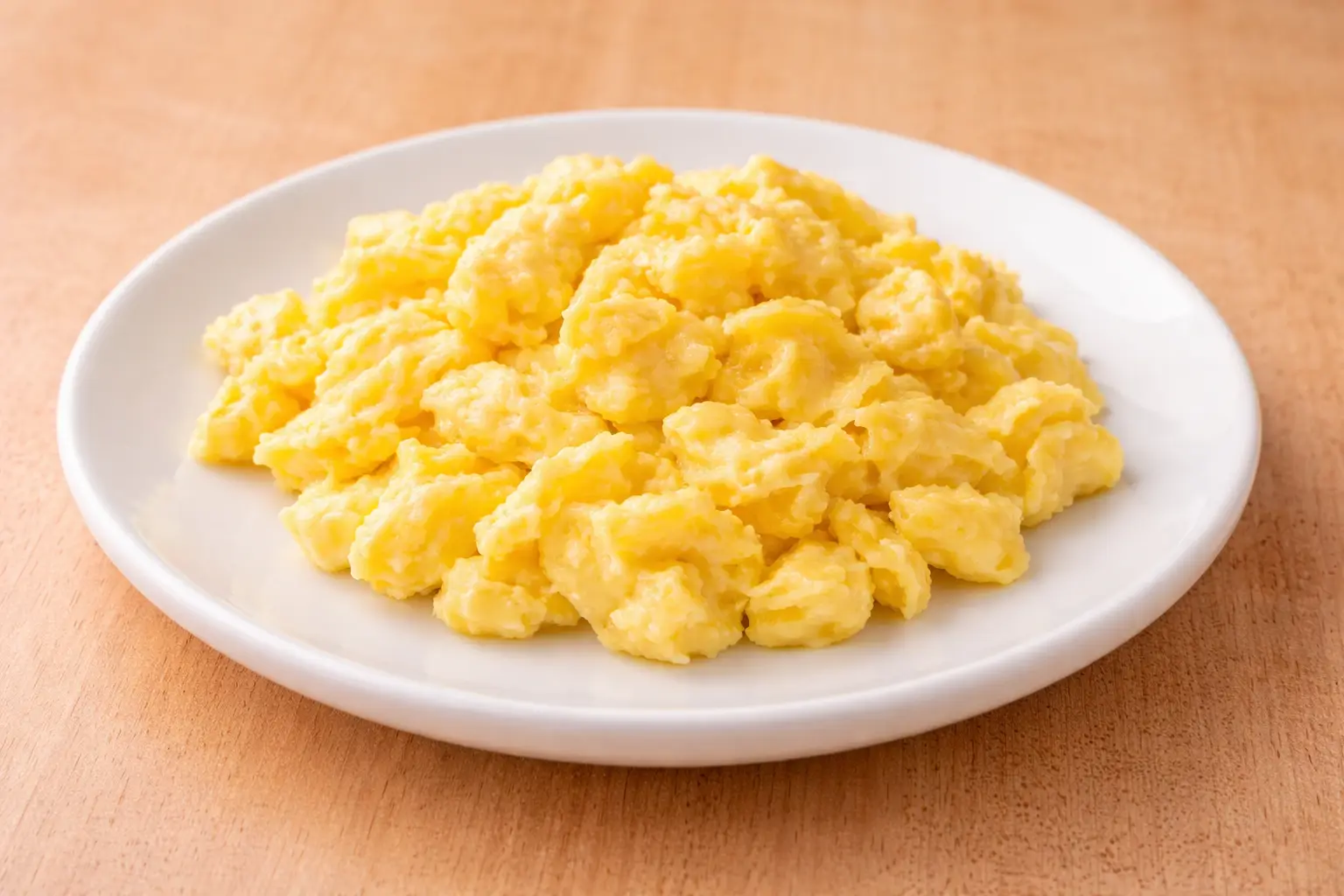
Raw egg warnings have made many dog owners cautious about eggs in general, but the concern is specifically about raw eggs — not cooked ones. Plain cooked eggs are one of the most nutritionally complete foods you can offer a dog.
Eggs have a biological value of 100, meaning 100% of the protein they contain is bioavailable and usable by the body. That makes them the most efficient single protein source available. They contain a complete amino acid profile, biotin, riboflavin, and selenium — all important for coat health, energy metabolism, and immune function.
How to feed them: Scrambled or hard-boiled, with absolutely nothing added — no butter, no oil, no salt, no seasoning of any kind. One egg per day is appropriate for most medium to large dogs. Smaller dogs do well with half an egg. Plain cooked eggs are also one of the best foods for sick dogs who have lost their appetite — the smell is appealing and the nutrition is dense.
Watch out for: Raw eggs carry Salmonella risk and also contain avidin, a compound that blocks biotin absorption with regular feeding. Always cook eggs before giving them to your dog. The cooking process neutralizes avidin and eliminates bacterial risk.
Oatmeal — The Underrated Grain That's Gentle on Dog Stomachs
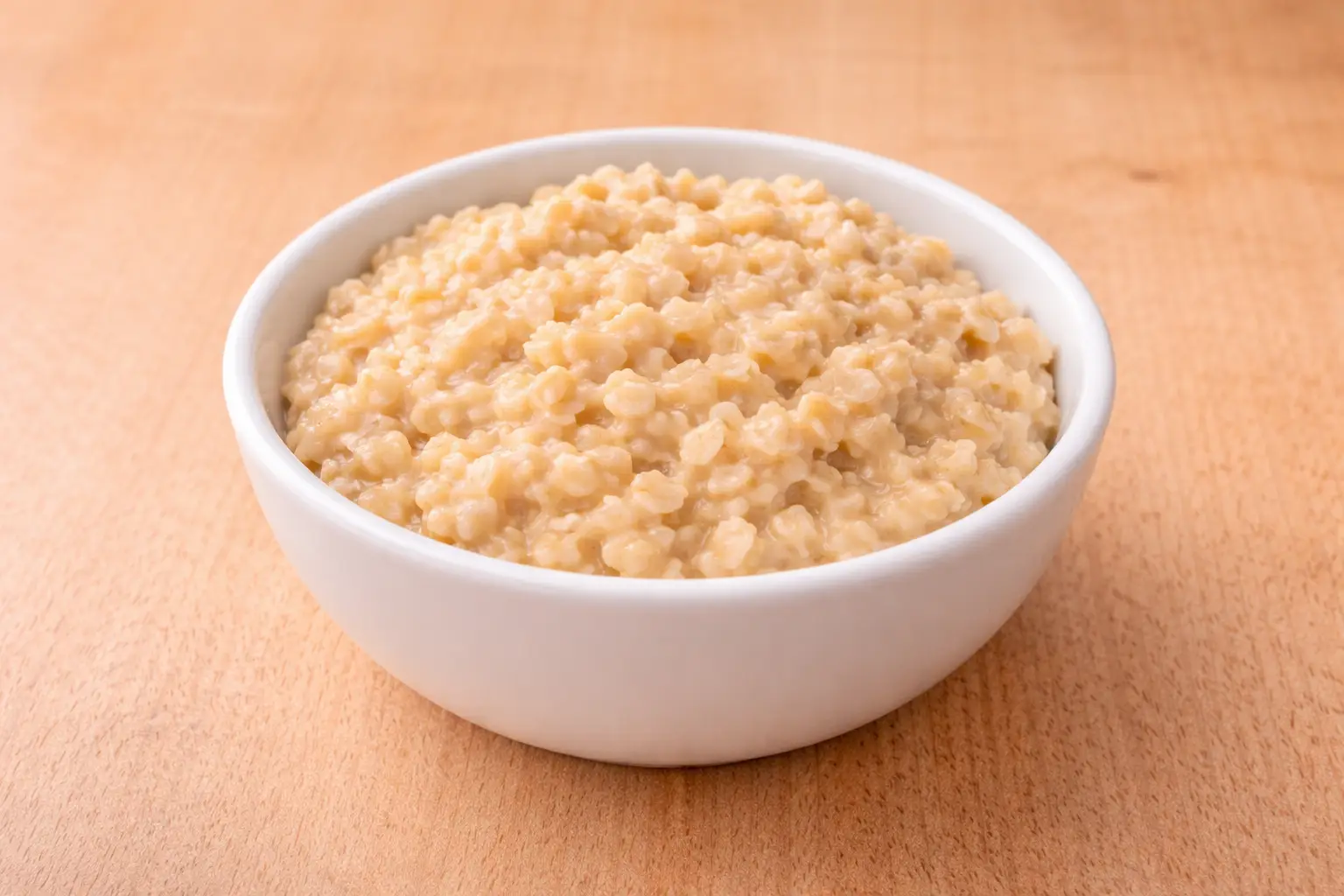
"Grains are bad for dogs" is one of the most persistent myths in pet nutrition, fueled in part by the marketing around grain-free diets. The reality is more nuanced. Plain whole grain oats are easily digestible, fiber-rich, and well-tolerated by the vast majority of dogs — including many who struggle with wheat or other grains.
The soluble fiber in oats, particularly beta-glucan, supports gut motility and helps regulate digestion in both directions — useful for dogs prone to both diarrhea and constipation. Oats also provide B vitamins, iron, and magnesium. For senior dogs whose intestinal motility naturally slows with age, oatmeal is one of the most consistently recommended dietary additions.
How to feed it: Always cooked in plain water — never milk, which adds unnecessary lactose. No sugar, no flavoring, no instant packets with additives. One to two tablespoons for small dogs, up to a quarter cup for larger breeds. A few times per week is appropriate for most dogs.
Watch out for: Flavored instant oatmeal — even varieties marketed as "natural" — typically contains significant added sugar, salt, and artificial flavors. Plain rolled oats cooked from scratch are the only appropriate option.
Green Beans — The Vet-Approved Weight Management Snack
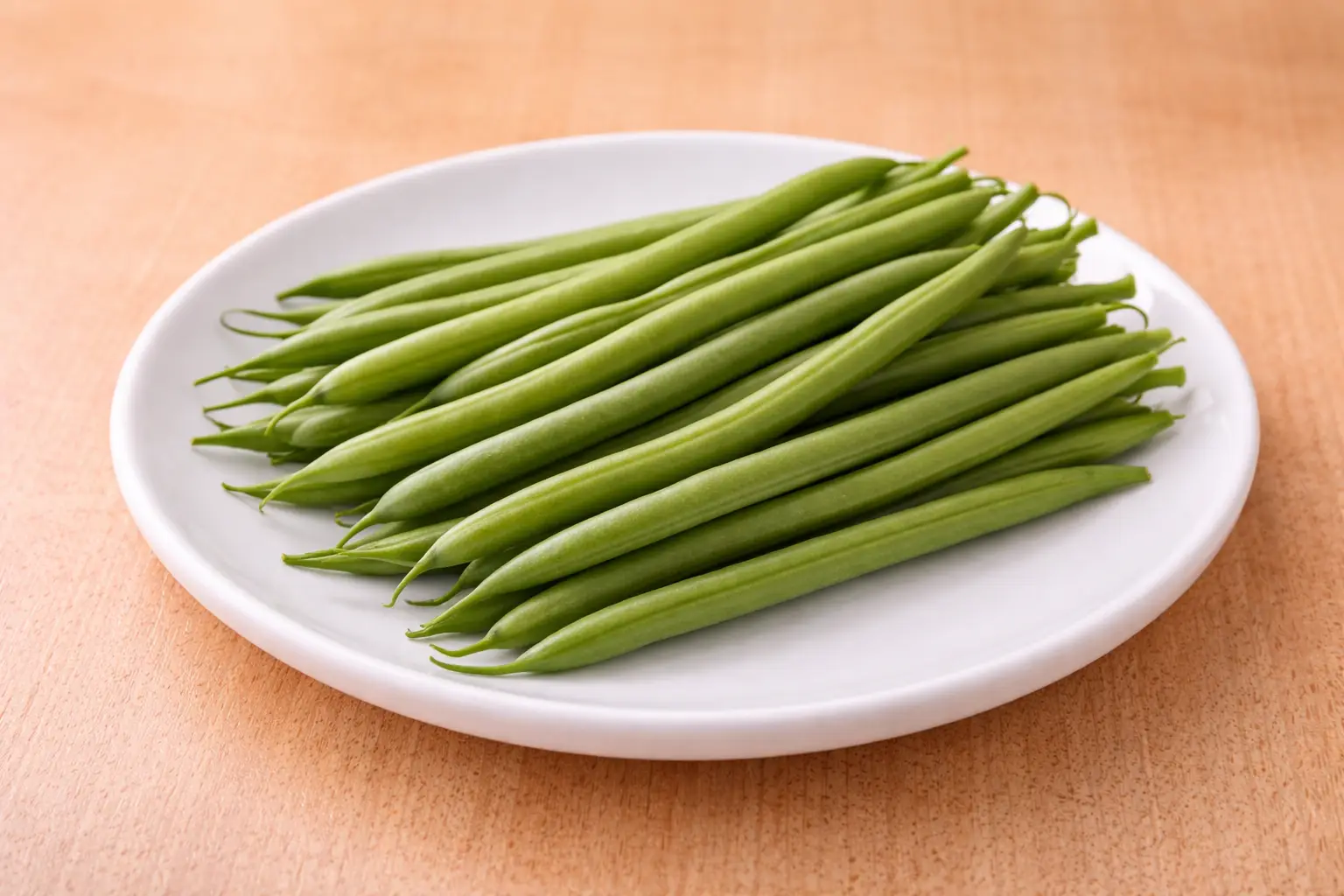
Green beans occupy a unique position in dog nutrition: they are so low in calories and so filling that veterinarians sometimes recommend replacing up to ten percent of a dog's food with plain green beans as part of a structured weight loss plan. That alone tells you a lot about how safe and well-tolerated they are.
Green beans provide fiber, vitamins C and K, and manganese. They have a satisfying crunch when raw and a softer texture when cooked or canned, making them appropriate for dogs of all ages and dental conditions. At roughly 31 calories per 100 grams, they are one of the lowest-calorie foods you can offer.
How to feed them: Raw, steamed, or canned — as long as they're plain. Canned green beans are convenient but must be rinsed thoroughly to remove added sodium. Avoid any preparation involving butter, garlic, onion, or seasoning of any kind. For weight management, they can be mixed directly into regular food to increase volume without increasing calories significantly.
Watch out for: The sodium content in canned varieties is the main concern — always check the label and rinse well. Avoid frozen green beans that come in sauce or seasoning packets.
Plain Greek Yogurt — A Probiotic Boost (For Dogs That Handle Dairy)
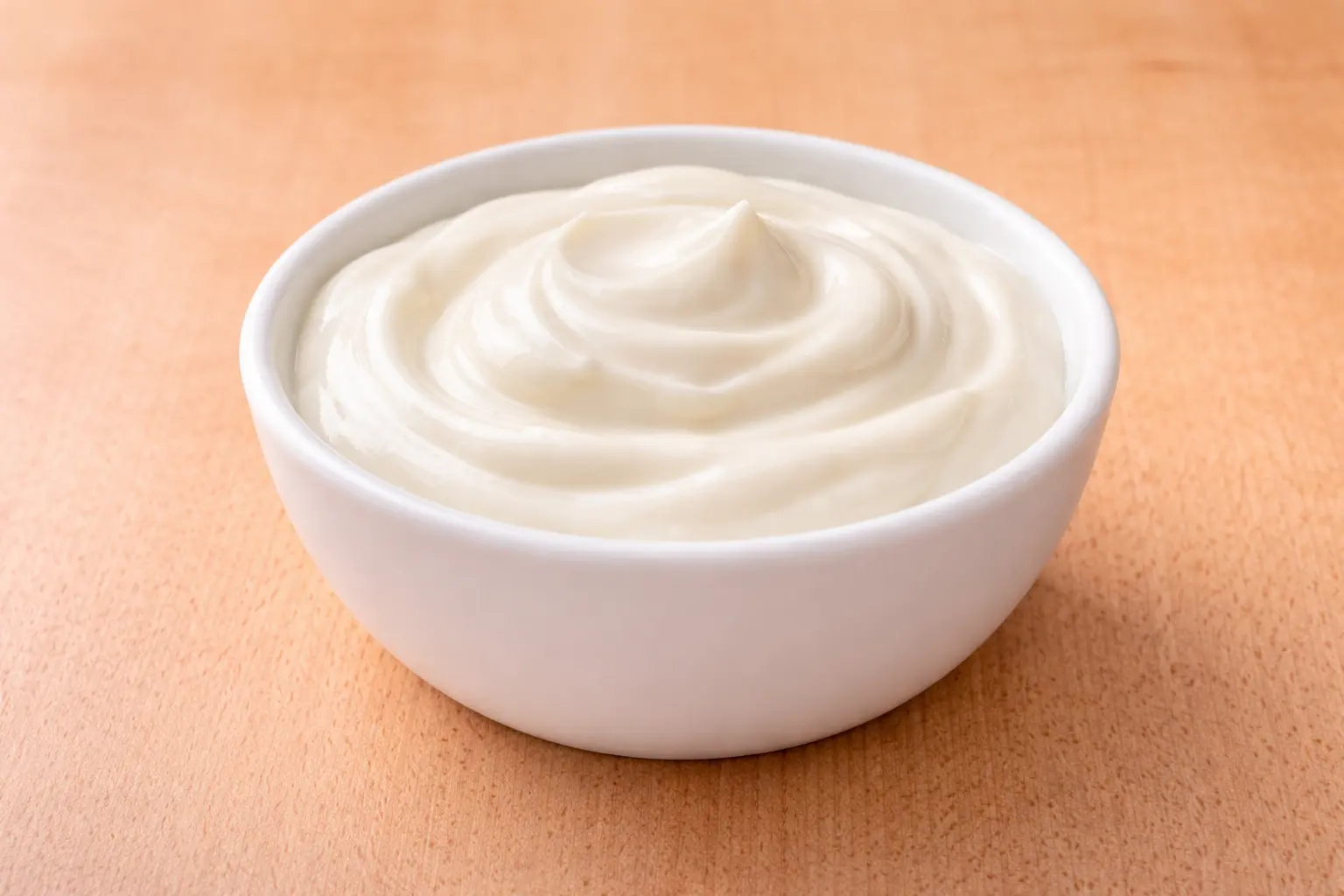
"Dairy is bad for dogs" is one of those statements that contains a kernel of truth but gets overapplied. The kernel: many dogs are lactose intolerant to varying degrees. The overapplication: concluding that all dairy is off the table for all dogs. Plain Greek yogurt occupies a different category from milk or ice cream because the live bacterial cultures used in fermentation break down much of the lactose during production.
Plain Greek yogurt provides protein, calcium, and live probiotic cultures that support gut health. It's particularly useful after a course of antibiotics, which can disrupt the gut microbiome. Many vets recommend a small amount of plain yogurt during antibiotic treatment and for a week or two afterward to support microbiome recovery.
How to feed it: Plain, unsweetened, with live active cultures listed on the label. Full-fat or low-fat both work — avoid fat-free varieties, which sometimes contain artificial sweeteners. One teaspoon for small dogs, one tablespoon for larger dogs. Introduce slowly and watch for signs of digestive upset.
Watch out for: Flavored yogurts — including fruit-on-the-bottom varieties — contain significant added sugar and sometimes artificial sweeteners including xylitol. Always choose plain. Dogs who show gas, loose stool, or vomiting after eating yogurt are likely lactose intolerant and should avoid it.
Sweet Potato — Fiber and Nutrients in One Dog-Friendly Package

Sweet potatoes get lumped in with regular potatoes instinctively, and regular potatoes have a more complicated relationship with dog nutrition. But sweet potatoes are a different food entirely — they appear regularly as a named ingredient in commercial dog foods precisely because they are nutritious, digestible, and well-tolerated.
Plain cooked sweet potato provides dietary fiber, vitamins A, B6, and C, and potassium. The fiber supports digestive regularity, vitamin A supports eye and immune health, and the natural sweetness makes it appealing to most dogs. Mashed plain sweet potato is also one of the recommended recovery foods after gastrointestinal illness or surgery.
How to feed it: Baked or boiled plain, with no skin, no butter, no salt, no seasoning of any kind. Mashed, cubed, or sliced — all work. One to three tablespoons depending on dog size, a few times per week. Frozen cooked sweet potato cubes are a popular enrichment treat.
Watch out for: Raw sweet potato is significantly harder to digest and should be avoided. Sweet potato should be treated as a nutritious supplement and training treat — not as a primary carbohydrate source. As with all additions, it counts toward the ten percent treat allowance.
At a Glance: Safe Foods Summary
| Food | Safe? | Best Form | Frequency |
|---|---|---|---|
| Blueberries | Yes | Fresh or frozen | Daily in small amounts |
| Cooked Chicken | Yes | Boiled, plain, boneless | Daily as part of diet |
| Watermelon | Yes | Seedless, no rind | Occasional treat |
| Carrots | Yes | Raw or cooked plain | Daily |
| Peanut Butter | Yes* | Plain, no xylitol | Small amounts only |
| Cooked Eggs | Yes | Scrambled or hard-boiled | Up to 1 per day |
| Oatmeal | Yes | Plain cooked in water | A few times per week |
| Green Beans | Yes | Plain or rinsed canned | Daily if needed |
| Plain Greek Yogurt | Mostly | Plain, live cultures | Small amounts, occasional |
| Sweet Potato | Yes | Cooked plain, no skin | A few times per week |
*Always check every label for xylitol before using any peanut butter product.
Frequently Asked Questions
Can dogs eat these foods every day?
Most of them, yes — with appropriate portions. Carrots, plain cooked chicken, and green beans are safe for daily feeding. Others like eggs, oatmeal, and sweet potato are better suited to a few times per week as part of a varied diet. The key principle is the ten percent rule: all treats and food additions combined should make up no more than ten percent of your dog's total daily caloric intake.
How much is too much?
The ten percent rule is the standard guideline — treats and additions should total no more than ten percent of your dog's daily calories. A 20-pound dog eating around 600 calories per day has a treat budget of roughly 60 calories. A 60-pound dog eating 1,200 calories has around 120 calories to work with.
My dog ate a larger amount than usual — should I worry?
For the foods on this list, a larger-than-intended portion is unlikely to be a medical emergency. The more probable outcome is temporary digestive upset — loose stool, gas, or occasional vomiting. Monitor your dog, ensure fresh water is available, and return to normal feeding at the next meal. If symptoms are severe or persistent, contact your vet.
Are there foods that look safe but actually aren't?
Yes — grapes and raisins cause kidney failure, sometimes from a single grape. Onions and garlic destroy red blood cells over time. Macadamia nuts cause neurological symptoms. Xylitol is acutely toxic. The foods in this guide have been specifically selected because they are confirmed safe — but always check before offering anything new at SafeFoodForDogs.com.
Can puppies eat all of these?
Most of these foods are fine for puppies in very small amounts, but puppies have more sensitive digestive systems. Their primary nutrition should come from a complete puppy-formulated food. Start with a tiny amount, wait 24 hours, and increase gradually. When in doubt, check with your vet.
What about senior dogs?
Senior dogs often tolerate soft, easily digestible foods particularly well — plain cooked eggs, mashed sweet potato, and oatmeal are commonly recommended for aging dogs. However, seniors may have reduced kidney function meaning foods high in phosphorus or potassium need to be moderated. Consult your vet before making significant dietary changes.
Is it okay to mix these into regular kibble?
Absolutely — this is one of the most common approaches. A spoonful of plain Greek yogurt stirred into kibble, some shredded chicken mixed in, or a few blueberries scattered on top can increase palatability significantly. Keep the total addition within the ten percent guideline.
My dog has allergies — are these foods still safe?
Food allergies in dogs are real but frequently misidentified. The most common culprits are chicken, beef, dairy, and wheat. If your dog has a confirmed allergy to one of these, avoid the corresponding foods on this list. An elimination diet supervised by your vet is the most reliable way to identify triggers.
Can I make homemade treats from these ingredients?
Yes — frozen blueberries straight from the bag, peanut butter stuffed into a Kong and frozen, carrot sticks as training rewards, dehydrated sweet potato slices, and scrambled egg crumbled over food are all popular options. Keep everything plain — no added salt, sugar, butter, or seasoning.
Where can I check if a specific food is safe?
SafeFoodForDogs.com maintains a database of 545+ foods with individual safety ratings, preparation notes, and serving guidance. For urgent situations, the ASPCA Animal Poison Control Center is available 24 hours a day at 888-426-4435.
What is the 10% treat rule and how do I calculate it?
Everything outside your dog's core diet should total no more than ten percent of daily caloric intake. Find your dog's approximate daily calorie needs, then multiply by 0.10. A moderately active 25-pound dog needs roughly 700-800 calories per day, giving a treat budget of 70-80 calories. This keeps treats genuinely supplemental rather than nutritionally disruptive.
Is it safe to give dogs food from the table?
Table scraps in general are problematic because most human food is seasoned, cooked in oil or butter, and prepared in ways that are inappropriate for dogs. The foods in this guide are safe specifically in their plain unseasoned forms — not as table scraps from a prepared meal. A piece of plain boiled chicken is safe; a piece of roast chicken cooked with garlic and herbs is not.
The Bottom Line
The goal was never to turn your kitchen into a second dog food pantry. It was to give you enough information to feel confident when your dog steals a blueberry, or when you want to use something other than a processed treat for training, or when your vet tells you to try a bland diet and you want to understand why it works.
Most dogs will encounter human food throughout their lives — through accidents, through training, through the completely reasonable desire to share something with an animal that clearly wants to be included. The ten foods in this guide are a solid foundation. But they're not an exhaustive list, and how you feed them matters just as much as what you feed.
Not sure about a specific food? Search our database of 545+ foods at SafeFoodForDogs.com — each entry includes a safety rating, preparation notes, serving guidance, and an emergency action guide. We add new foods every week.
Medical disclaimer: This guide is for informational purposes only and does not constitute veterinary advice. Always consult a licensed veterinarian before making significant changes to your dog's diet, especially if your dog has existing health conditions.