Unexpected vet bills can be devastating. Pet insurance covers most emergency costs from day one. Get a Free Quote from Healthy Paws
Get a Free Quote from Healthy PawsYour dog just ate something toxic. Or swallowed a foreign object. Or stopped breathing normally.
You need emergency care right now — and the last thing you want to think about is money.
But vet bills are real and emergency care is expensive. Knowing what to expect means you can make decisions clearly instead of in shock at the front desk.
Here are the real numbers for emergency vet costs in 2026.
How Emergency Vet Pricing Works
Emergency animal hospitals charge differently from regular vet clinics in two important ways.
Emergency consultation fee: Most 24-hour emergency animal hospitals charge an upfront emergency consultation fee just to be seen. This ranges from $100 to $200 and is charged before any treatment begins.
After-hours premium: Emergency care outside regular business hours - evenings, weekends, holidays - costs significantly more than the same treatment during regular hours. Expect to pay 20-50% more for after-hours emergency care.
Specialist referrals: Emergency hospitals often refer complex cases to specialists - veterinary cardiologists, neurologists, oncologists, or surgeons. Specialist fees add significantly to total costs.
Geographic variation: Emergency vet costs in major cities like New York, Los Angeles, and San Francisco run 30-50% higher than rural or suburban areas.
Real Emergency Vet Costs by Condition
Toxic Food Ingestion
Toxic food emergencies are one of the most common reasons dog owners visit emergency vets. If your dog ate something toxic, contact your veterinarian or an animal poison-control service promptly — see our Toxicity Emergency Advisory.
| Toxin | Typical Emergency Cost |
|---|---|
| Chocolate poisoning - mild | $250 - $750 |
| Chocolate poisoning - severe | $1,000 - $3,000 |
| Grape or raisin ingestion | $500 - $3,000 |
| Xylitol poisoning | $1,000 - $5,000 |
| Macadamia nut toxicity | $300 - $1,200 |
| Onion or garlic toxicity | $500 - $2,500 |
| Ibuprofen or Tylenol ingestion | $1,000 - $4,000 |
| Rat poison ingestion | $1,500 - $5,000 |
| Antifreeze ingestion | $2,000 - $8,000 |
Treatment for toxic ingestion typically includes emergency consultation, induced vomiting or activated charcoal, IV fluids, bloodwork, monitoring, and potentially overnight hospitalization.
Foreign Object Ingestion
Dogs swallow things they should not - socks, toys, bones, corn cobs. Treatment depends on where the object is.
| Situation | Typical Cost |
|---|---|
| Induced vomiting - object in stomach | $300 - $800 |
| Endoscopic removal | $1,500 - $3,500 |
| Surgical removal - intestinal blockage | $2,000 - $6,000 |
| Post-surgical hospitalization (per night) | $500 - $1,500 |
Broken Bones and Injuries
| Injury | Typical Cost |
|---|---|
| Simple fracture - splint or cast | $500 - $2,000 |
| Complex fracture - surgical repair | $2,000 - $5,000 |
| Hit by car - full workup | $1,500 - $8,000 |
| Bite wound repair | $500 - $2,500 |
| Eye injury | $500 - $3,000 |
Orthopedic Surgery
| Procedure | Typical Cost |
|---|---|
| ACL repair (TPLO surgery) | $3,500 - $6,500 |
| Hip dysplasia surgery | $3,500 - $7,000 |
| Spinal surgery (IVDD) | $4,000 - $8,000 |
| Patella luxation repair | $1,500 - $4,000 |
Internal Medicine and Serious Illness
| Condition | Typical Cost |
|---|---|
| Bloat (GDV) emergency surgery | $3,000 - $7,500 |
| Pancreatitis treatment | $1,500 - $5,000 |
| Urinary blockage (cats more common but dogs too) | $1,500 - $4,000 |
| Seizure workup and treatment | $500 - $3,000 |
| Heart failure management | $1,000 - $4,000 |
| Pneumonia treatment | $1,500 - $4,000 |
Cancer Treatment
| Treatment | Typical Cost |
|---|---|
| Cancer diagnosis and staging | $1,000 - $3,000 |
| Surgery to remove tumor | $1,500 - $5,000 |
| Chemotherapy (full course) | $5,000 - $20,000 |
| Radiation therapy | $8,000 - $18,000 |
| Palliative care | $500 - $2,000 |
What an Emergency Vet Visit Actually Looks Like
Here is a realistic breakdown of a moderate emergency - a 30lb dog that ate a significant amount of dark chocolate.
| Service | Estimated Cost |
|---|---|
| Emergency consultation fee | $150 |
| Physical examination | $75 |
| Induced vomiting | $100 |
| Activated charcoal treatment | $75 |
| IV catheter placement | $100 |
| IV fluids (4 hours) | $200 |
| Bloodwork panel | $150 |
| ECG monitoring | $100 |
| 4-hour monitoring stay | $300 |
| Medications to go home | $75 |
| Total | $1,325 |
Without insurance you pay $1,325 out of pocket.
With Healthy Paws insurance ($250 deductible, 80% reimbursement):
- You pay: $250 deductible + 20% of $1,075 = $465
- Insurance pays: $860
That is a saving of $860 from a single moderate emergency.
How to Prepare Financially
Option 1 - Pet Insurance
Pet insurance is the most reliable financial protection for emergency vet costs. You pay a predictable monthly premium and the insurer covers a large portion of any emergency.
Our top recommendations:
- Healthy Paws - best overall, unlimited benefits, 2-day reimbursement
- Trupanion - best for chronic conditions, direct vet payment
See our full pet insurance comparison to find the right plan.
Option 2 - Dedicated Emergency Savings
Set aside $5,000 - $10,000 in a dedicated account specifically for pet emergencies. The challenge is that most emergencies happen before you have saved enough - especially with puppies and young dogs.
Option 3 - CareCredit or Scratchpay
Most emergency vet clinics accept CareCredit and Scratchpay - medical financing products that allow you to pay vet bills in installments. Interest rates vary and deferred interest products can be expensive if not paid off in the promotional period.
These are useful as a backup but not a primary strategy.
Option 4 - Payment Plans
Some emergency vet clinics offer in-house payment plans. This is becoming less common as third-party financing has taken over. Always ask if this is available - it never hurts.
What Happens If You Cannot Afford Emergency Care
This is a difficult reality that many dog owners face. Emergency vets are legally required to provide stabilizing treatment in life-threatening situations regardless of ability to pay - but comprehensive treatment requires payment.
Options when facing a bill you cannot afford:
- Ask the clinic about payment plans or financing
- Apply for CareCredit or Scratchpay on the spot
- Contact local animal welfare organizations - some have emergency funds
- Reach out to breed-specific rescue organizations for your dog's breed
- University veterinary teaching hospitals often charge lower rates
The most important thing is to be upfront with the emergency vet team about your situation. They want to help your dog and will work with you where possible.
The Most Important Number
The average dog owner faces at least one emergency vet visit costing over $1,000 during their dog's lifetime.
Many face multiple. Large breeds, dogs prone to eating things they should not, and breeds with hereditary conditions face significantly higher lifetime costs.
Pet insurance with a $40-$60/month premium costs $480-$720 per year. A single moderate emergency without insurance costs $1,000 - $3,000.
The math makes the decision straightforward for most dog owners.
Frequently Asked Questions
Do emergency vets require payment upfront? Yes - most emergency animal hospitals require a deposit or full payment before beginning non-emergency treatment. They will typically provide a written estimate before proceeding. Emergency stabilization is provided regardless of payment in life-threatening situations.
How much is an emergency vet consultation fee? Emergency consultation fees typically range from $100 to $200. This is charged just to be seen and is separate from treatment costs.
Is emergency vet more expensive at night? Yes. After-hours emergency care - evenings, weekends, and holidays - typically costs 20-50% more than the same treatment during regular business hours.
What if I cannot afford the emergency vet bill? Ask about payment plans, apply for CareCredit or Scratchpay financing, or contact local animal welfare organizations. University veterinary teaching hospitals often provide lower-cost care. Be upfront with the vet team - they will work with you where possible.
Does pet insurance cover emergency vet visits? Yes - all major pet insurance plans cover emergency vet visits for accidents and illness including toxic food ingestion. You pay upfront then submit a claim for reimbursement. Trupanion can pay your vet directly at checkout at participating clinics.
How can I find a 24-hour emergency vet near me? Search "24 hour emergency vet near me" on Google Maps or visit the Veterinary Emergency and Critical Care Society website at veccs.org for a directory of emergency clinics.
This page contains affiliate links. If you purchase a policy through our links we may earn a commission at no extra cost to you. Our reviews are based on independent research and genuine recommendations - we only recommend products we believe provide real value to dog owners.
Last updated: April 2026
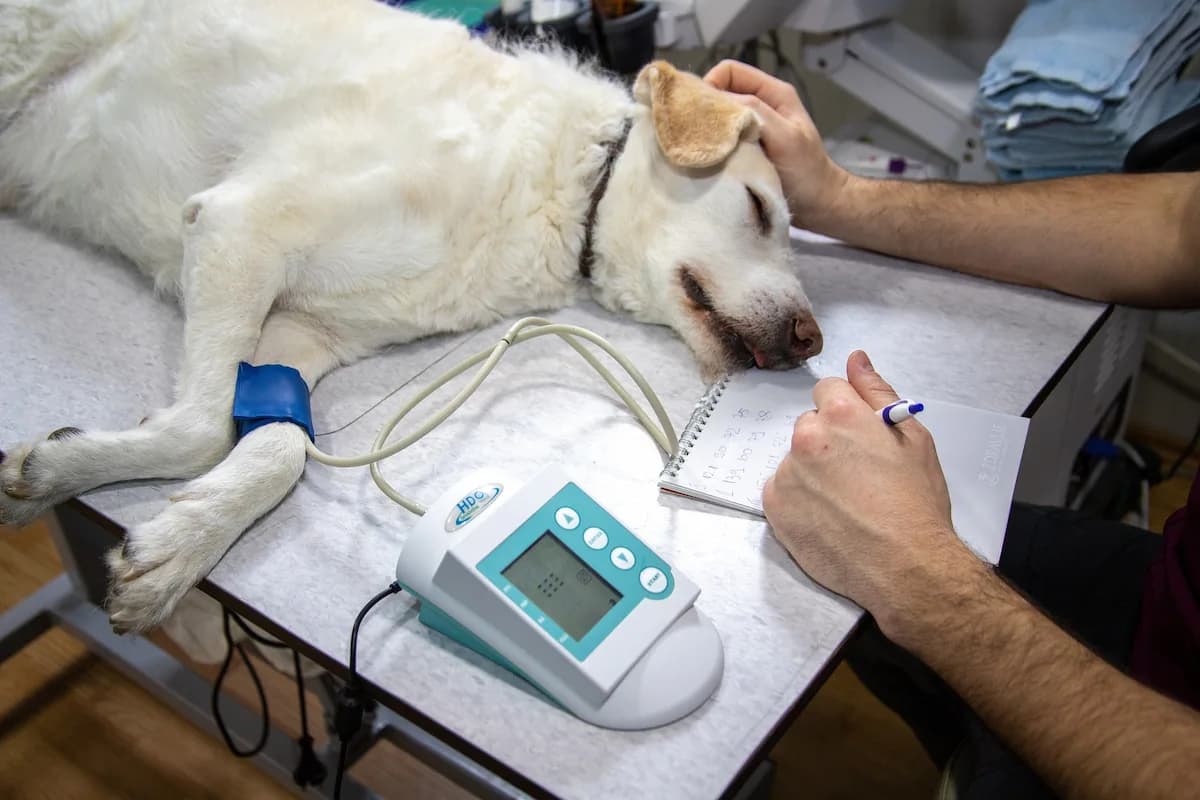
Image by mirkosajkov from Pixabay